
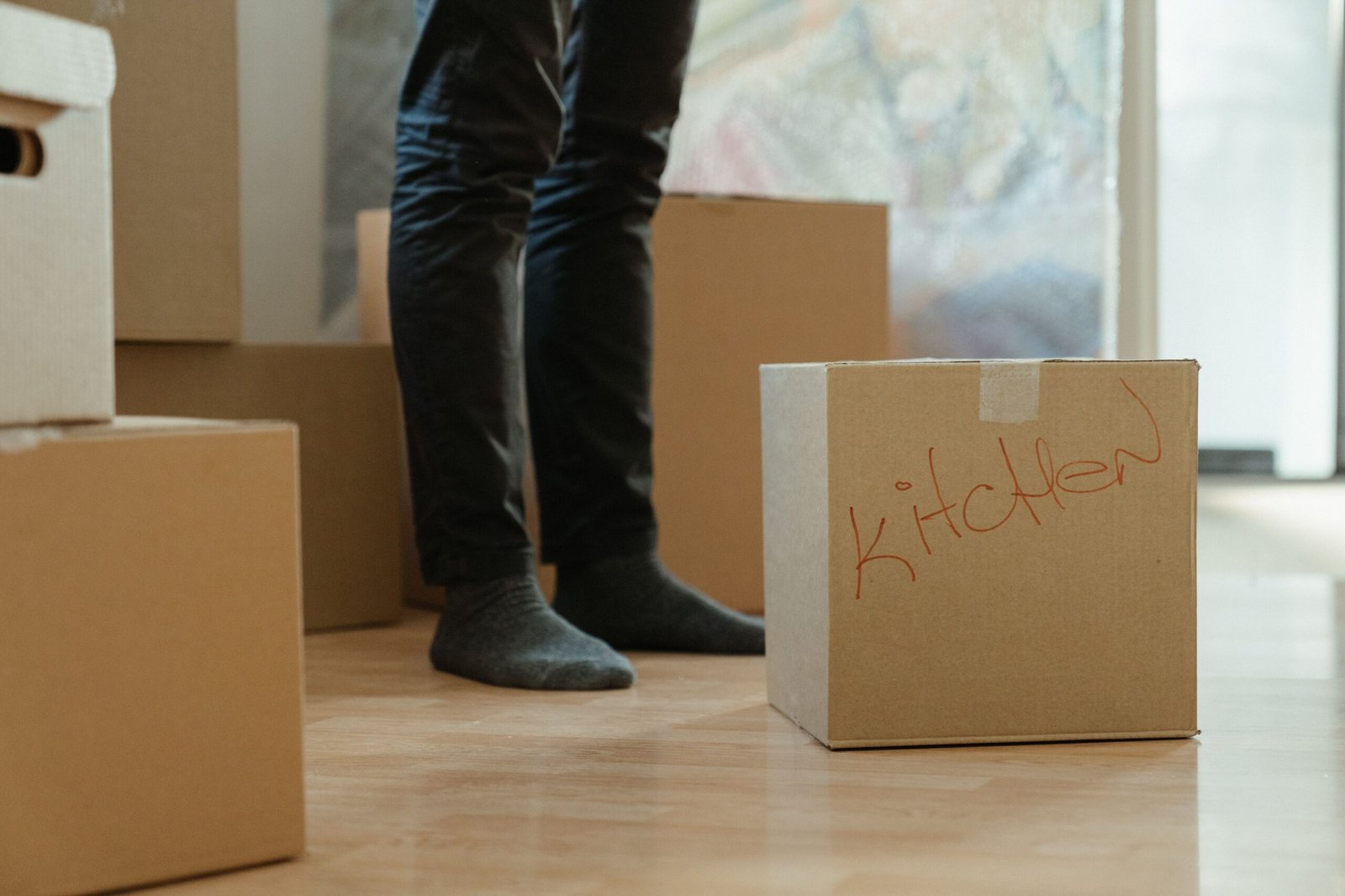
Moving has a reputation for turning normal people into box-counting detectives and tape-gun warriors. You’re juggling timing, costs, fragile stuff, and the strange fact that you own far more cables than any one person should.
A smoother move usually comes down to planning early, making better decisions under pressure, and knowing when professional help can save your back and your schedule. If you want fewer last-minute surprises, a solid system matters.
Start Planning Before the Panic Kicks In
A good move rarely starts on moving day. It starts weeks earlier, when you map out the basics and stop treating the whole process like a vague future problem. Give yourself a timeline with clear checkpoints for packing, utility transfers, address updates, and clean-out tasks.
Break your move into smaller jobs:
- Set your moving date and backup date
- Create a room-by-room packing schedule
- List large items that need special handling
- Collect quotes and compare services
Choose the Right Help for Your Situation
Every move comes with its own demands. Shifting a small studio across town is a very different job from relocating an entire household with heavy furniture, narrow stairways, and a firm deadline. The support you choose should match the size of your home, the distance you are traveling, and how complicated the day is likely to be.
Before you commit to anyone, look closely at their licensing and insurance, what their price actually covers, how flexible they are with dates, what past customers say about them, and whether they have handled moves like yours before.
If you need full support with packing, transport, and planning, visit blackhawkmoving.com and discuss your schedule, inventory, and any special requirements with their team. This kind of help is especially useful when time is short, or your belongings include large furniture and fragile pieces.
The right team does far more than lift boxes. They lower the risk of damage, keep the day running on schedule, and spare you the stress and expense of a disorganized move.
Declutter First So You Don’t Move Your Mistakes
One of the smartest moving strategies is brutally simple: take less stuff with you. Moving a broken lamp, three dead chargers, and jeans you haven’t worn since ninth grade is not efficient. It’s just paying rent to your own indecision.
Go room by room and sort items into clear groups:
- Keep
- Donate
- Sell
- Recycle
- Trash
Be honest about what you actually use. If an item has been sitting untouched for years, it may not deserve a seat on the truck. Decluttering lowers moving costs, reduces packing time, and makes unpacking much easier.
It also gives you a rare chance to reset your space. Instead of dragging clutter into a new home, you walk in with things that still serve a purpose. That shift can make your new place feel intentional instead of crowded on day one.
Pack Smarter So Unpacking Isn’t a Disaster
Packing tends to look easy until you’re wrapping mugs in paper at midnight and labeling boxes with vague notes like “important stuff.” That approach falls apart fast. Smart packing saves time on both ends of the move.
Use sturdy boxes, quality tape, and labels that actually tell you something useful. Mark each box with the room, main contents, and whether it contains fragile items. Keep similar items together instead of mixing random objects to fill space.
A few packing habits make a big difference:
- Put heavy items in small boxes
- Use soft items like towels for cushioning
- Keep screws and hardware in labeled bags
- Pack an essentials bag for the first 24 hours
- Photograph electronics before unplugging cables
Watch the Hidden Costs That Sneak Into a Move
Moving expenses go beyond the obvious truck or labor bill. A lot of people build a budget around the headline cost, then get blindsided by supplies, storage, fuel, cleaning fees, deposits, and missed work hours. Suddenly the “simple move” has side quests.
Create a moving budget that includes both direct and indirect costs. Think beyond transportation and include:
- Packing supplies
- Temporary storage
- Utility setup fees
- Cleaning services
- Furniture protection materials
- Food during moving day
Ask movers detailed questions before booking. Find out whether stairs, long carry distances, bulky items, or schedule changes affect pricing. Read the estimate carefully so you know what is and isn’t covered.
Prepare Your New Home Before the Movers Arrive
Your move gets much easier when the new place is ready before the first box comes through the door. If possible, visit ahead of time to clean, measure rooms, and check access points. It’s far easier to solve layout problems before your couch is wedged at an awkward angle.
Focus on practical setup tasks:
- Confirm electricity, water, and internet activation
- Measure doorways for large furniture
- Decide where major pieces will go
- Stock toilet paper, soap, and paper towels
- Check locks, lighting, and basic safety items
Labeling boxes by room works much better when you already know where each room functionally begins. That’s especially helpful in apartments, shared spaces, or homes with flexible layouts.
If kids or pets are part of the move, make a plan for them too. A quieter setup away from traffic and open doors can make moving day safer and far less stressful for everyone involved.
Keep Moving Day Organized From Start to Finish
Moving day has a way of speeding up and falling apart at the same time. People are carrying boxes, asking questions, checking phones, and trying not to lose track of anything important. You need a simple command system, not guesswork.
Keep these items with you instead of loading them onto the truck:
- Identification and lease or closing documents
- Wallet, keys, and phone charger
- Medications
- Valuables and jewelry
- Inventory list and mover contact details
Do a final walk-through before leaving. Check closets, cabinets, drawers, and outdoor spaces. Take pictures of the old place once it’s empty, especially if you’re renting.
When you arrive, direct boxes into the correct rooms right away. That one step saves a surprising amount of effort later. Then handle the essentials first: bed setup, bathroom basics, and kitchen necessities. You don’t need a perfect home on day one. You need a functional one.