
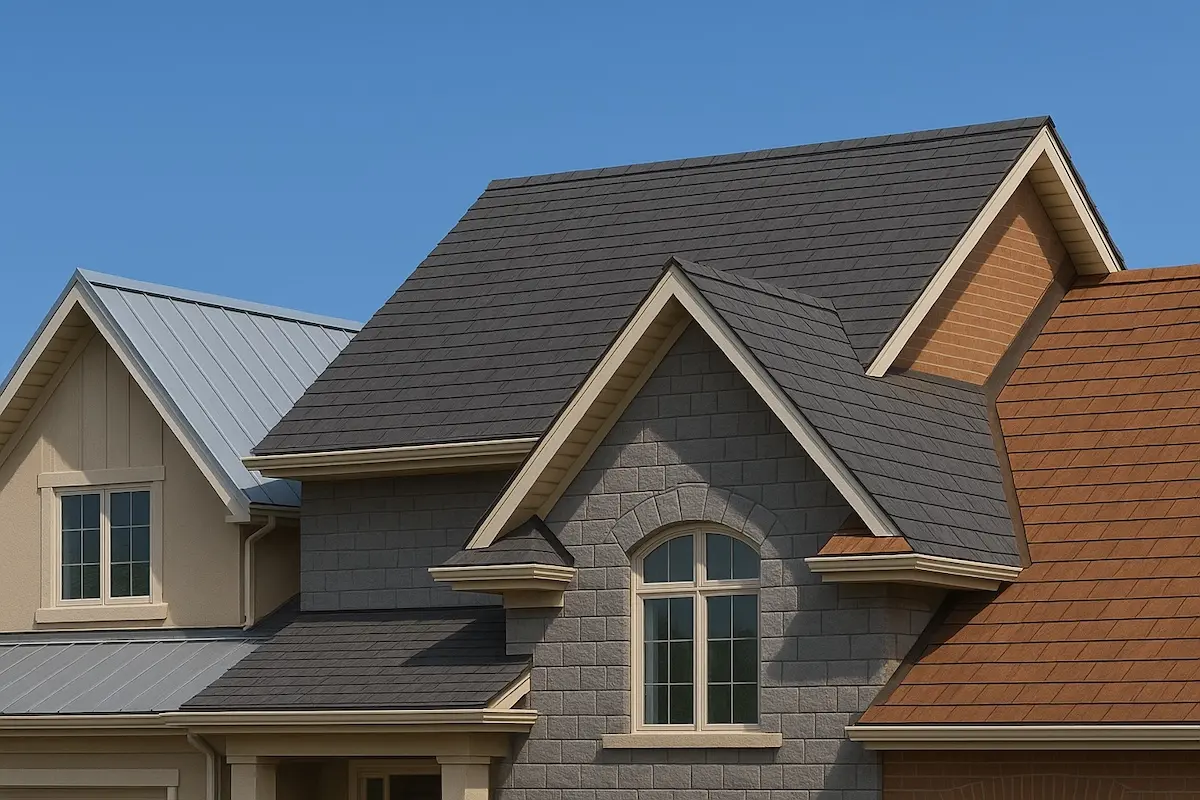
Choosing the right roof is an important decision for any homeowner. A roof protects the home from rain, snow, wind, heat, and other weather conditions while also contributing to the overall appearance of the property. With many roofing options available today, homeowners can choose a material based on durability, style, maintenance, energy efficiency, and budget.
Modern homes can use traditional roofing systems as well as newer options designed for better performance and energy efficiency. Understanding the differences between these options can make it easier to select a roof that meets your home’s needs.
Why Choosing the Right Roof Matters
A roof is one of the most important parts of a home. It provides protection from the elements and helps maintain comfortable indoor conditions. A properly selected and installed roof can also improve the appearance and value of a property.
When comparing roofing options, homeowners should consider several factors. These include the local climate, expected lifespan, installation cost, maintenance requirements, energy efficiency, and the architectural style of the home.
The right choice is not always the most expensive option. Instead, homeowners should look for a roofing system that provides the right balance between performance, appearance, longevity, and cost.
Asphalt Shingles
Asphalt shingles are one of the most common roofing options for residential properties. They are available in different colors, styles, and designs, making them suitable for many types of homes.
One of the main advantages of asphalt shingles is their affordability. They generally cost less to install than several premium roofing materials while still providing reliable protection when properly installed and maintained.
Architectural asphalt shingles can also provide a more dimensional appearance compared with traditional three-tab shingles. They are available in many styles, allowing homeowners to match the roof with the exterior design of their property.
Maintenance is also relatively straightforward. Regular inspections can help identify damaged, missing, or worn shingles before they lead to larger problems.
For homeowners researching the Best Roofing Materials, asphalt shingles can be a practical option when affordability, appearance, and reliable performance are important considerations.
Metal Roofing
Metal roofing has become increasingly popular for modern residential properties. It is available in materials such as steel, aluminum, copper, and zinc, with different finishes and styles available.
One of the biggest benefits of metal roofing is durability. A properly installed metal roof can provide long-term service and can withstand many common weather conditions. Metal roofing can also be designed to reflect more solar energy, which may help reduce heat gain in some homes.
Another advantage is its versatility. Metal roofing can be manufactured to resemble other roofing styles, including shingles, tiles, and standing-seam panels. This gives homeowners more design choices without giving up the characteristics of a metal roofing system.
Although metal roofing can have a higher initial cost than asphalt shingles, its durability and long service life may make it worth considering for homeowners planning to stay in their property for many years.
Clay and Concrete Tiles
Clay and concrete tiles are popular choices for homeowners looking for a distinctive appearance and durable roofing system. They are commonly associated with Mediterranean, Spanish, Southwestern, and other architectural styles.
Clay tiles are produced from natural clay and are available in different shapes and colors. Concrete tiles are made using cement-based materials and can be manufactured in a variety of designs.
Both options can provide excellent durability when properly installed. They are also resistant to many common environmental conditions and can give a home a distinctive appearance.
However, tile roofing can be heavier than some other roofing systems. Before installation, the structure of the home should be evaluated to ensure it can support the additional weight.
Professional installation is particularly important with tile roofing because improper installation can affect the roof’s performance and longevity.
Slate Roofing
Slate is a natural stone roofing material known for its elegant appearance and long service life. It is often used on high-end residential properties and homes where appearance and durability are major priorities.
Slate is available in different colors, textures, and sizes. Its natural appearance can add character to both traditional and modern homes.
One of the main considerations with slate roofing is its weight. Like tile, slate can be significantly heavier than some other roofing systems. The supporting structure must be suitable for the material.
Slate can also be more expensive to purchase and install than many common roofing options. Finding experienced installers is important because slate requires specialized installation techniques.
For homeowners who prioritize long-term durability and natural appearance, slate can be a strong option when the property is structurally suitable.
Wood Shingles and Shakes
Wood shingles and shakes provide a natural appearance that can complement many residential designs. Cedar is one of the commonly used wood species for these roofing systems.
Wood shingles are generally machine-cut and have a more uniform appearance, while shakes are typically thicker and have a more textured, natural look.
One advantage of wood roofing is its visual appeal. It can give a home a warm and traditional appearance that is difficult to replicate with some manufactured materials.
However, wood roofing requires proper maintenance. Moisture, moss, insects, and weather exposure can affect its condition over time. Local building regulations and fire-safety requirements should also be considered before choosing this type of roof.
Homeowners should work with qualified roofing professionals who understand the maintenance and installation requirements associated with wood roofing.
Flat Roofing Systems
Flat roofs are commonly used on modern and contemporary homes. While they are often described as flat, most residential flat roofing systems have a slight slope that allows water to drain from the roof surface.
Several materials can be used for flat roofing, including modified bitumen, built-up roofing, EPDM, TPO, and PVC membranes.
Flat roofing can provide a clean and modern appearance. It can also make certain architectural designs possible that are difficult to achieve with traditional pitched roofs.
Drainage is particularly important with flat roofing. Water should be directed toward appropriate drains and drainage systems to reduce the risk of standing water.
Regular inspections are also important because small issues with membranes, flashing, or drainage can become more serious if they are not addressed promptly.
Green Roofing
Green roofs are designed with vegetation and growing systems installed over a waterproof roofing structure. They are becoming more popular in certain modern architectural projects because of their environmental benefits and unique appearance.
A green roof can provide additional insulation and help manage rainwater. Vegetation can also contribute to a more natural appearance in urban environments.
However, green roofs require specialized design and maintenance. The waterproofing system must be properly installed, and the structure must be capable of supporting the additional weight.
Green roofing is not suitable for every property, but it can be an interesting option for homeowners looking for an environmentally focused roofing solution.
How to Choose the Right Roofing Option
Choosing a roof involves more than comparing the appearance of different materials. Homeowners should consider several factors before making a final decision.
Consider the Local Climate
Weather conditions can have a major impact on roofing performance. Areas that experience heavy snow, strong winds, high temperatures, or frequent rain may require specific roofing characteristics.
The material should be appropriate for the weather conditions commonly experienced in the area.
Consider Your Budget
The initial cost of roofing materials and installation can vary significantly. Asphalt shingles may have a lower upfront cost, while materials such as slate, copper, and premium metal systems can require a larger investment.
Homeowners should consider both the initial price and potential long-term maintenance costs.
Think About Lifespan
Different roofing materials have different expected service lives. Some may need replacement sooner, while others can provide decades of service when properly installed and maintained.
A longer-lasting roof may cost more initially but could reduce the frequency of future replacements.
Consider Maintenance
Every roofing system requires some level of maintenance. Regular inspections can help identify damaged materials, leaks, flashing problems, or drainage issues.
Homeowners should understand the maintenance requirements of a material before selecting it.
Match the Home’s Design
The roof should complement the architectural style of the property. Asphalt shingles may work well with many traditional homes, while metal roofing can complement modern designs. Clay tiles, slate, and wood can also create distinctive appearances.
Color and texture should be considered alongside the exterior siding, windows, doors, and other design elements.
Consider Energy Efficiency
Some roofing materials and roof designs can help manage heat and improve the energy performance of a home. Reflective roofing surfaces, proper insulation, ventilation, and appropriate roof design can all contribute to indoor comfort.
Homeowners should consider the complete roofing system rather than focusing only on the surface material.
The Importance of Professional Roofing Installation
Even high-quality roofing materials can perform poorly when they are installed incorrectly. Professional installation helps ensure that materials are properly placed, secured, flashed, and integrated with the rest of the roofing system.
A professional roofing contractor can also inspect the existing roof structure and identify potential problems before installation begins.
Homeowners in Massachusetts should choose a contractor with experience working with the roofing systems appropriate for their property and local weather conditions. Working with an established Roofing Company in Massachusetts can also make it easier to understand local installation requirements and maintenance considerations.
Before hiring a contractor, homeowners should ask about experience, warranties, insurance, references, and the specific materials that will be used for the project.
Roofing Maintenance and Inspections
Regular maintenance can help extend the life of a roof. Homeowners should periodically inspect the roof for visible signs of damage, including cracked or missing shingles, damaged flashing, blocked drainage systems, moss growth, and areas where water may be collecting.
Gutters and downspouts should also be kept clear so rainwater can move away from the roof and foundation.
After severe weather, an additional inspection may be useful. Strong winds, heavy snow, hail, and falling branches can cause damage that may not always be immediately visible from the ground.
Addressing small problems early can help prevent more expensive repairs later.
What Makes a Roofing System a Good Choice?
There is no single roofing material that is suitable for every home. The right choice depends on the property’s design, location, climate, budget, and maintenance expectations.
Some homeowners may prioritize affordability and choose asphalt shingles. Others may prefer the long-term durability of metal, slate, or tile. Modern homeowners may also consider flat roofing or environmentally focused options such as green roofs.
The Best Roofing Materials for one property may not be the same for another. A professional evaluation can help homeowners understand which materials are suitable for their specific roof structure and local conditions.
For Massachusetts homeowners, working with an experienced Roofing Company in Massachusetts can provide useful guidance on material selection, installation, inspections, and ongoing maintenance.
Read also: Modern Furniture and Home Decor Ideas for Every Room
Conclusion
Modern homeowners have many roofing options to choose from, ranging from affordable asphalt shingles to durable metal, slate, tile, wood, flat roofing systems, and green roofs. Each material has its own advantages, costs, appearance, and maintenance requirements.
The best approach is to consider the home’s architecture, local climate, budget, expected lifespan, energy needs, and maintenance requirements before making a decision.
Professional installation and regular maintenance are equally important. A well-designed and properly maintained roof can provide reliable protection while improving the appearance and long-term performance of a home.
By comparing different materials and getting professional advice, homeowners can select a roofing system that fits their property and long-term needs.