A dependable heating system makes a significant difference during Canada’s cold winter months. However, maintaining consistent warmth requires more than simply adjusting the thermostat. Regular furnace maintenance helps homeowners maintain heating performance, identify developing problems, and reduce the likelihood of unexpected breakdowns.
Heating equipment experiences considerable wear during extended periods of operation. Without proper attention, dust accumulation, restricted airflow, and aging components can gradually affect efficiency. Understanding essential maintenance practices allows homeowners to protect their heating systems while creating a more comfortable indoor environment.
Why Regular Furnace Maintenance Is Important
Heating systems contain numerous components that must work together to distribute warm air effectively. Even minor problems can influence overall performance when left unresolved.
Maintaining Consistent Heating Performance
A properly maintained furnace delivers heat more consistently throughout the home. When airflow remains unrestricted and essential components operate correctly, the system can respond efficiently to thermostat settings.
Routine furnace maintenance helps identify issues that might otherwise cause uneven temperatures, frequent cycling, or insufficient heating.
Supporting Energy Efficiency
Dusty filters, restricted airflow, and worn components can make heating equipment work harder than necessary.
Regular inspections and cleaning help maintain operating conditions that support energy-efficient performance. Although energy savings vary depending on equipment condition, preventive care can reduce unnecessary system strain.
Extending Equipment Lifespan
Heating equipment naturally experiences wear over time. However, neglected maintenance can accelerate deterioration and increase the likelihood of premature component failure.
Addressing minor concerns early helps protect important mechanical and electrical components.
Essential Furnace Maintenance Tasks
A comprehensive maintenance routine involves several important steps. Some tasks are suitable for homeowners, while others require professional knowledge.
Inspecting and Replacing Air Filters
Air filters capture airborne particles before they circulate through the heating system. Over time, accumulated dust restricts airflow and may reduce heating performance.
Homeowners should inspect filters regularly and follow manufacturer recommendations for cleaning or replacement.
Checking Thermostat Operation
A properly functioning thermostat helps regulate indoor temperatures and heating cycles.
If room temperatures consistently differ from thermostat settings, the system may require calibration, inspection, or troubleshooting.
Keeping Air Vents Unobstructed
Furniture, rugs, and other household items can accidentally block supply or return vents.
Maintaining clear airflow pathways supports consistent heat distribution and reduces unnecessary pressure on the heating system.
What Professional Furnace Maintenance Includes
While basic household maintenance is valuable, professional inspections provide a more detailed assessment of heating equipment.
Mechanical and Electrical Inspection
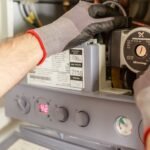
Qualified technicians can examine blower components, electrical connections, controls, and safety mechanisms.
Identifying loose connections or worn components helps prevent operational interruptions.
Combustion and Ventilation Assessment
Fuel-burning furnaces require appropriate combustion conditions and proper exhaust ventilation.
Professional maintenance may include examining burners, venting components, and safety controls to identify potential hazards.
System Performance Testing
Technicians can evaluate heating cycles, temperature differences, airflow, and overall operating performance.
These checks help determine whether the system functions within appropriate operating conditions.
Homeowners looking for reliable furnace maintenance assistance in Ottawa can arrange professional inspections before colder weather places additional demands on their heating systems.
When Should Furnace Maintenance Be Scheduled?
Most homeowners benefit from arranging a professional heating inspection annually, preferably before the main heating season.
Older equipment, heavily used systems, or furnaces experiencing unusual performance changes may require additional attention.
Maintenance should not be postponed when the furnace produces unfamiliar noises, cycles excessively, or struggles to maintain indoor temperatures.
Conclusion
Regular furnace maintenance is an essential part of responsible homeownership. It supports dependable heating, helps maintain efficiency, and provides opportunities to identify developing mechanical problems.
By combining routine filter care, unobstructed airflow, and professional inspections, homeowners can keep their heating systems better prepared for demanding winter conditions.