The way families use their homes changes over time. Young children need safe areas to play, teenagers value privacy, and adults may require quiet places for work or relaxation. When the main living areas become crowded, the basement offers an opportunity to create additional functional space without changing the home’s overall footprint.
Well-planned basement renovations can accommodate changing routines while making previously underused areas more comfortable.
The key is designing a lower level that can evolve with household needs.
Think About Tomorrow, Not Just Today
A basement designed for one specific activity may become less useful as family circumstances change.
Instead of committing every corner to a permanent function, consider how rooms could serve different purposes.
Create Flexible Activity Zones
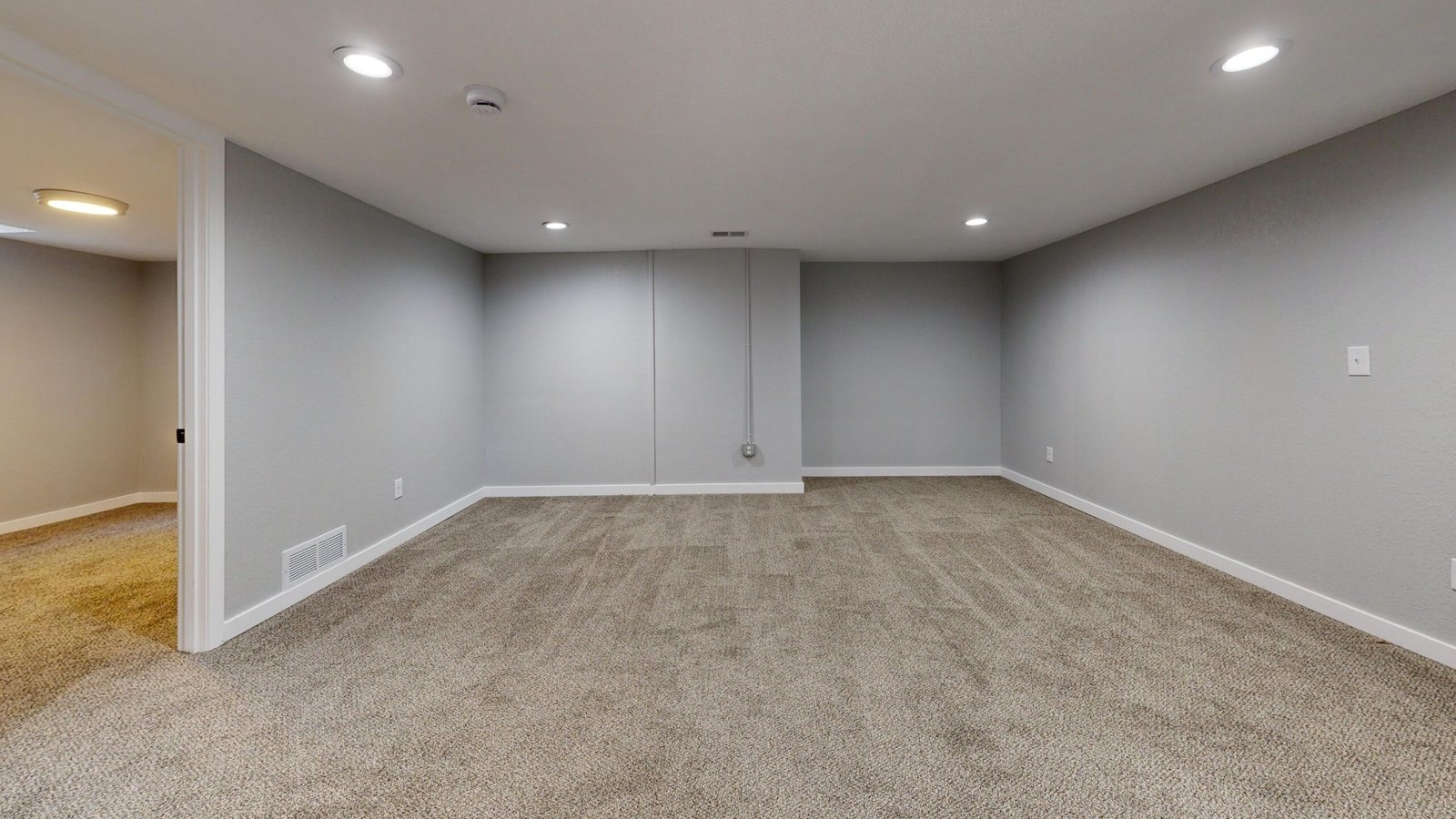
An open recreation area can support children’s games today and become a casual lounge later.
Movable furniture, adaptable storage, and thoughtfully positioned electrical outlets make these transitions easier.
Flexible planning also helps avoid unnecessary reconstruction when priorities change.
Basement Spaces for Growing Families
Different household activities require different environmental conditions.
A Play Area That Encourages Organization
Children benefit from clear floor space and accessible storage.
Low shelving, comfortable flooring, and appropriate lighting can create a practical play environment.
Avoid placing heavy unsecured furniture where children may climb or pull on it.
A Quiet Study Corner
As children grow, a dedicated study area may become more useful than a large playroom.
Provide suitable desk lighting, electrical access, and separation from noisy entertainment zones.
A small workspace can offer valuable privacy without occupying an entire room.
A Shared Entertainment Room
Families often enjoy having a separate space for films, board games, and informal gatherings.
Sound insulation and comfortable seating can help create a relaxed atmosphere while reducing disturbances upstairs.
Planning for Multigenerational Living
Some households need additional space for visiting relatives or changing family arrangements.
Basement renovations can potentially accommodate sleeping areas, sitting rooms, or private retreats.
Consider Accessibility Early
Stair access, bathroom placement, lighting, and clear walking paths become particularly important when planning for older occupants.
A basement may not suit every mobility requirement, so accessibility should be evaluated realistically.
Understand Bedroom Requirements
If a basement will include sleeping accommodation, review applicable rules concerning emergency escape, ventilation, ceiling height, and other safety provisions.
These requirements should influence the layout from the beginning.
Make the Basement Comfortable Year-Round
Basements often have different temperature and moisture conditions from the main floors.
Improve Insulation and Air Movement
Appropriate insulation and ventilation help maintain comfort throughout changing seasons.
Before enclosing foundation walls, investigate moisture conditions and choose construction methods suitable for below-grade spaces.
Plan Lighting Around Activities
A family lounge needs different lighting from a study desk or exercise area.
Combine general illumination with focused lighting so each zone supports its intended purpose.
Keep Storage Part of the Plan
Basement renovations should not eliminate all household storage.
Reserve organized space for seasonal belongings, cleaning equipment, and necessary utility access.
Homeowners considering local basement improvement options can evaluate how these practical requirements fit into a broader renovation plan.
Conclusion
Family needs rarely remain unchanged, which makes flexibility an important part of basement design. Thoughtful basement renovations can provide room for recreation, study, relaxation, and occasional guests while preserving essential storage. Proper moisture management, safe access, comfortable lighting, and adaptable layouts help the space remain useful over time. Rather than designing exclusively for current activities, consider how the basement could support future routines. This forward-looking approach creates a welcoming lower level that grows alongside the people who use it.