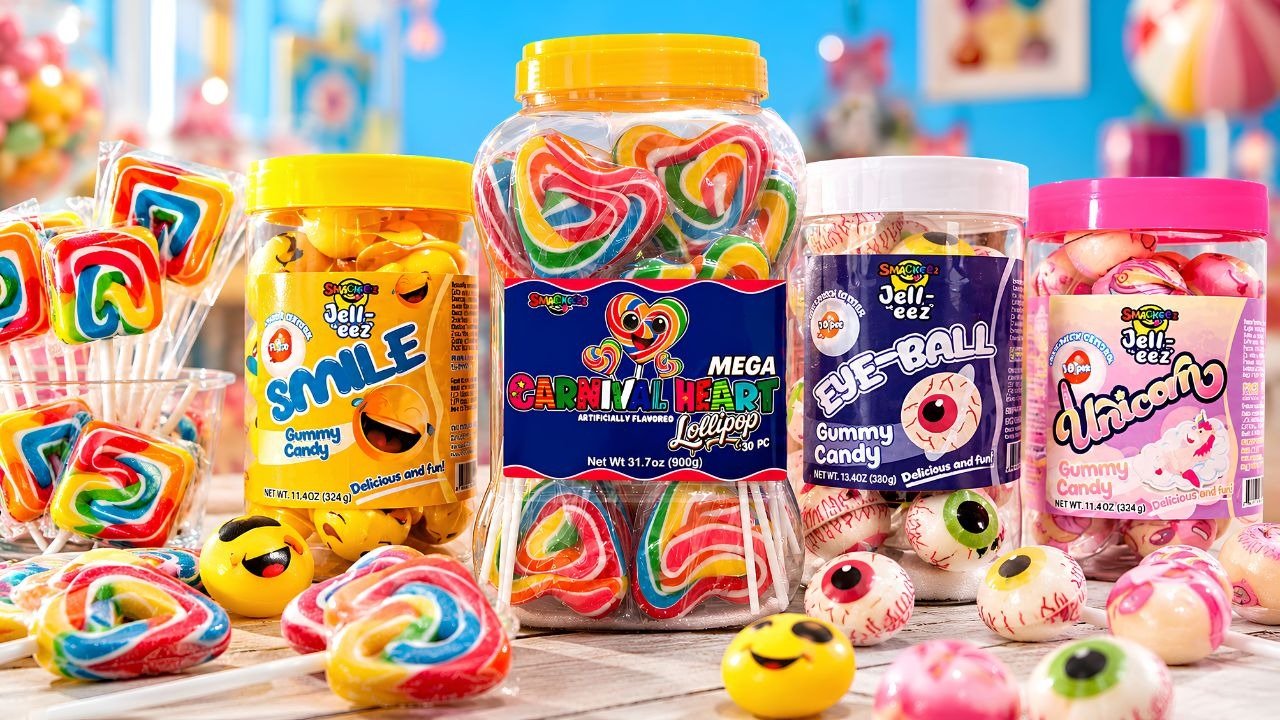
Candy has always been a favorite treat for people of all ages, but the way people enjoy it is changing. Today, candy is not just about sweetness or fruity flavors. Its shape, size, color, and texture also make a difference. From traditional round sweets to creative designs like lollipop square, candy makers are trying new ways to make familiar treats more interesting. These changes are giving people more choices and turning simple sweets into something fun to look at, share, and enjoy. Chewy treats are also becoming a bigger part of these changing preferences. Gummies, sour strips, jelly candies, and fruit chews offer different textures that make each bite feel unique.
Different Candy Shapes That Are Gaining Attention
Candy makers are moving beyond traditional designs to create sweets that look and feel different. Several shapes are especially interesting.
1. Geometric Candy Shapes
Squares, cubes, triangles, and other geometric forms provide an alternative to traditional round sweets. These shapes often appear in hard candies, gummies, and jelly treats. Their straight edges and simple designs can make them visually distinctive.
2. Fruit and Animal Shapes
Fruit-shaped and animal-shaped gummies remain popular because their designs are easy to recognize. Strawberries, watermelons, bears, and worms are familiar examples. These playful shapes can also suggest the flavor before someone tastes the candy.
3. Ropes, Strips, and Twists
Long candy ropes, sour strips, and twisted treats provide a different way to enjoy sweets. Their flexible shapes make them easy to bend, pull apart, or eat in smaller pieces. Some also combine several colors and flavors in one strip.
4. Filled and Layered Candy
Some newer candies combine an outer layer with a different center. A chewy sweet might have a liquid filling, a soft jelly middle, or a crunchy coating. These designs make the experience less predictable than eating a single-texture candy.
How Texture Is Changing the Candy Experience
Texture is becoming one of the most noticeable differences between candy products. People may enjoy the same fruit flavor in several forms, but each form can feel completely different.
Some of the textures receiving attention include:
- Soft and chewy: Flexible gummies and fruit chews that require repeated chewing.
- Crunchy: Freeze-dried candy and sweets with crisp outer coatings.
- Juicy-filled: Candy with a liquid or soft center that releases flavor when bitten.
- Stretchy: Candy ropes and similar sweets that can be pulled apart.
- Layered: Treats combining two or more textures in a single piece.
These differences help explain why candy makers continue experimenting with texture rather than focusing only on new flavors.
Why Candy Shapes Matter More Than Ever
The shape of candy can influence how people notice, choose, and enjoy it. Traditional sweets often come in simple forms, such as circles, sticks, and small pieces. While these remain popular, unusual shapes can make a familiar candy feel different.
For example, fruit-shaped gummies, colorful candy cubes, and twisted chewy strips add visual variety. Some shapes also change how a candy feels when someone bites or chews it.
Shapes can also reflect different occasions. Hearts are popular around Valentine’s Day, while pumpkins and ghosts appear during Halloween. This connection between candy designs and celebrations helps explain why seasonal sweets remain a familiar part of candy culture.
The Growing Popularity of Chewy Candy
Chewy treats have become an important part of the candy market because they offer a different experience from hard sweets. Unlike hard candy, which slowly dissolves in the mouth, chewy candy changes texture as it is eaten. Some varieties are soft and stretchy, while others have a firmer bite. Gummies, fruit chews, jelly sweets, and chewy ropes are common examples. Their popularity comes partly from the range of textures and flavors available.
The Role of Social Media in Candy Trends
Social media has changed how people find interesting candy products. Short videos often show unusual sweets being opened, stretched, cut, or tasted. Bright colors and distinctive shapes make these treats easy to notice on a screen. Texture also plays a role. Videos featuring crunchy candy, peelable gummies, or sweets with surprising fillings can attract attention because viewers can see or hear what makes them different.
However, online popularity does not always mean a candy will remain popular. A product may attract curiosity because of its appearance, but its taste and texture still influence whether people want to eat it again.
How Changing Preferences Affect Candy Stores
As candy preferences change, stores and suppliers must pay attention to the types of treats people enjoy. Traditional sweets still have an important place, but shoppers may also look for unusual shapes, mixed flavors, and different textures.
For candy stores, offering variety can help meet different preferences. Some customers prefer familiar fruit gummies, while others enjoy sour strips or candies with unexpected fillings. These changes show that candy trends are influenced by both long-standing favorites and newer ideas.
What Could Shape the Future of Candy?
The candy market is likely to keep changing as people become interested in different flavors, textures, and designs. There is also growing attention toward ingredient choices. Some people look for plant-based gummies, reduced-sugar options, or sweets made without certain artificial colors.
Still, an unusual shape or ingredient list alone does not make a candy successful. Taste, texture, affordability, and familiar flavors will remain important parts of the experience.
Conclusion
Candy trends show how much a simple sweet can change through shape, color, and texture. From playful gummies to layered chewy treats, people now have more ways to enjoy familiar flavors. This growing variety also influences how manufacturers and gummies wholesale suppliers respond to changing customer preferences, particularly when different shapes and textures attract attention.
The future of candy is not necessarily about replacing traditional favorites. It is about giving people more choices while keeping the familiar taste and enjoyment that make sweets popular in the first place.