Introduction
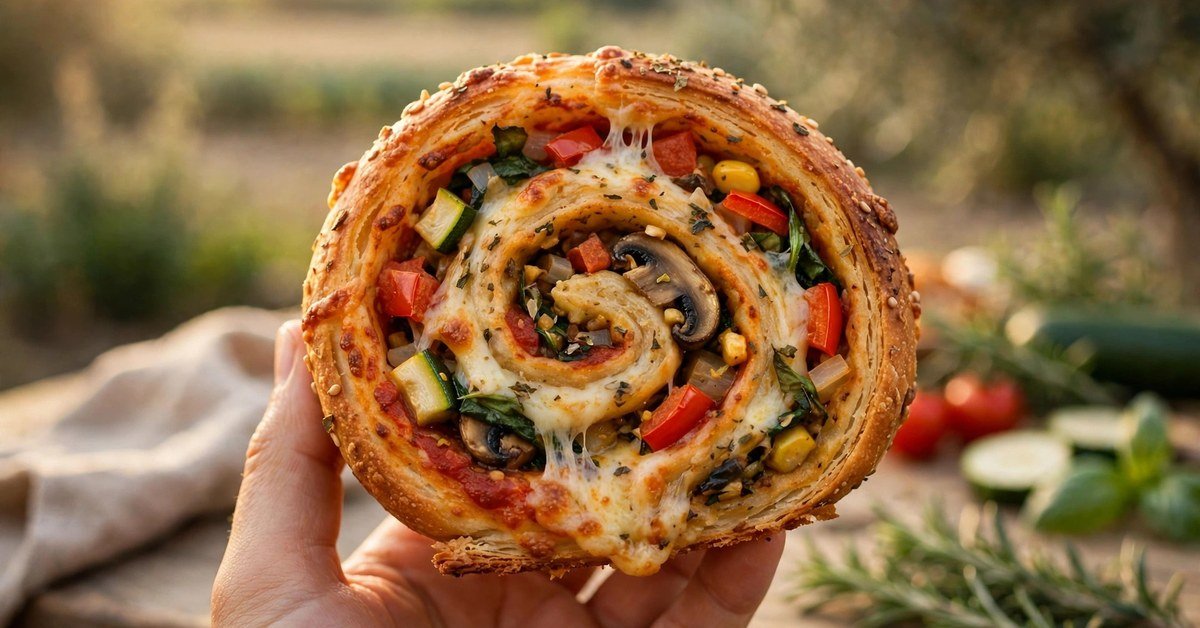
Veganske pizzasnegle are soft, spiral-shaped pizza rolls made with plant-based ingredients instead of traditional dairy products or meat. Popular as a snack, lunchbox treat, party appetizer, or light meal, these savory pastries combine fluffy dough with flavorful tomato sauce, herbs, vegetables, and vegan cheese. They offer a simple way to enjoy familiar pizza flavors in a convenient, handheld form. One of the best things about veganske pizzasnegle is their versatility. You can prepare them with classic pizza toppings, experiment with Mediterranean vegetables, add plant-based meat alternatives, or keep the filling simple with tomato sauce and herbs. They can be served warm straight from the oven or enjoyed cold, making them practical for picnics, school lunches, office snacks, and family gatherings. Whether you follow a vegan lifestyle, want to reduce your consumption of animal products, or simply enjoy homemade baked snacks, these vegan pizza rolls are easy to adapt to your taste. With the right dough, a flavorful filling, and a few simple baking techniques, you can create golden, delicious spirals that are soft inside and lightly crisp around the edges.
| Feature | Details |
|---|---|
| Dish name | Veganske pizzasnegle |
| Meaning | Vegan pizza rolls or vegan pizza snails |
| Cuisine inspiration | Danish and Italian-inspired home cooking |
| Main ingredients | Flour, yeast, plant-based milk or water, tomato sauce, herbs, and vegetables |
| Dietary suitability | Vegan when all ingredients are plant-based |
| Preparation time | Approximately 20 to 30 minutes |
| Rising time | Approximately 45 to 60 minutes for yeast dough |
| Baking time | Approximately 12 to 20 minutes |
| Total time | Around 1 hour 30 minutes to 2 hours |
| Difficulty level | Easy to moderate |
| Serving options | Snacks, lunchboxes, picnics, parties, and light meals |
| Storage | Refrigerate leftovers and freeze for longer storage |
What Are Veganske Pizzasnegle?
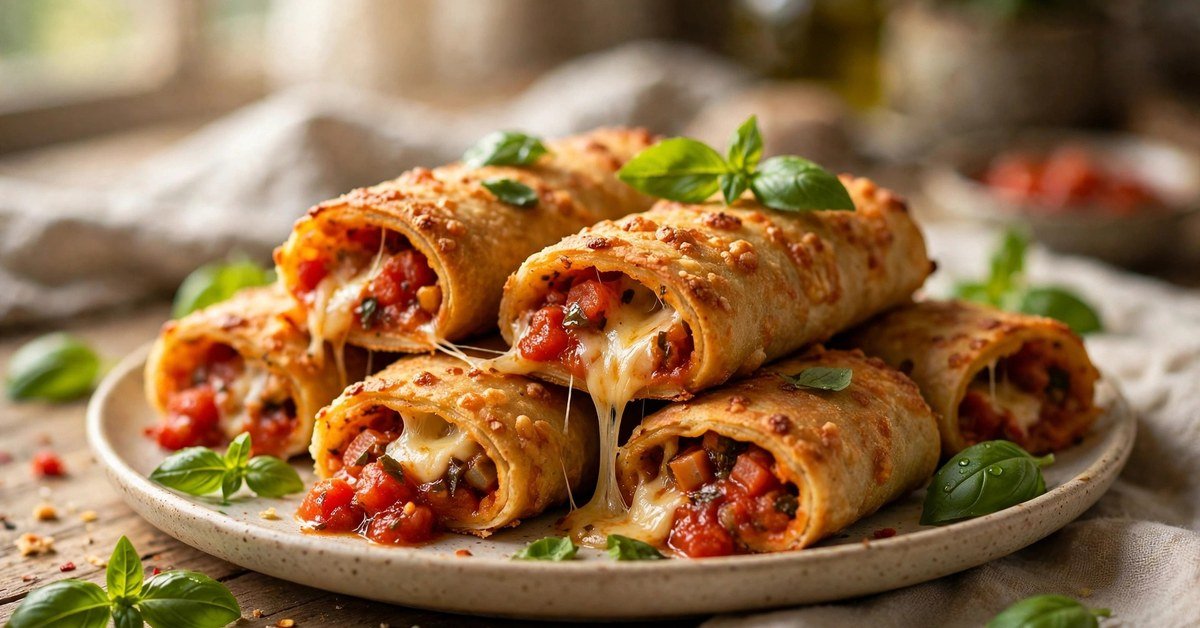
The Danish term “veganske pizzasnegle” translates to “vegan pizza snails” or “vegan pizza rolls.” The name describes their distinctive spiral shape, which resembles a small snail shell. They are made by spreading pizza-inspired filling over a sheet of dough, rolling it into a long cylinder, and cutting it into individual pieces before baking. These savory rolls are a familiar style of homemade snack in Denmark, where pizzasnegle are often prepared for packed lunches, children’s birthday parties, school activities, and casual gatherings. The vegan version adapts this popular idea by replacing conventional dairy cheese, meat, milk, and eggs with plant-based alternatives where necessary. There is no single mandatory recipe for veganske pizzasnegle. Some versions use a simple yeast dough with tomato sauce and vegan cheese, while others include soy strips, mushrooms, sun-dried tomatoes, spinach, onions, or bell peppers. The result can be mild and family-friendly or richly seasoned with garlic, smoked paprika, chili, and Italian herbs. Their appeal comes from the combination of soft bread, savory filling, and convenient individual portions. Because the recipe is flexible, home cooks can adjust the ingredients to suit different preferences, budgets, and dietary requirements.
Ingredients Needed for Veganske Pizzasnegle
A successful batch starts with a soft dough and a flavorful filling. The following recipe makes approximately 12 to 15 medium-sized rolls, depending on how thickly they are sliced.
Ingredients for the Dough
– 300 g all-purpose wheat flour
- 20 g fresh yeast, or an appropriate amount of dried yeast according to the package instructions
– 250 ml lukewarm water
– 2 tablespoons olive oil or another neutral vegetable oil
– 1 teaspoon sugar
– 1 teaspoon salt
Ingredients for the Filling
– 150 g thick pizza sauce or tomato passata
– 100 g grated vegan cheese
– 1 small onion, finely chopped
– 1 red bell pepper, finely diced
– 1 teaspoon dried oregano
– 1 teaspoon smoked or sweet paprika
– Black pepper, to taste
– Optional: 100 g prepared soy strips, mushrooms, spinach, or sun-dried tomatoes
Choose a tomato sauce that is not excessively watery. Too much liquid can make the dough soggy and cause the rolls to lose their shape. If the sauce is thin, simmer it briefly to reduce the moisture and let it cool before using it. Check the labels on packaged ingredients to confirm that they are suitable for a vegan diet. Some ready-made doughs, sauces, pesto products, and cheese alternatives may contain milk, egg, honey, or other animal-derived ingredients.
How to Make Veganske Pizzasnegle Step by Step
Making vegan pizza rolls is straightforward, even for beginners. The main stages are preparing the dough, allowing it to rise, adding the filling, shaping the spirals, and baking until golden.
Step 1: Prepare the Yeast Dough
Place the lukewarm water in a large mixing bowl. If using fresh yeast, crumble it into the water and stir until dissolved. Add the sugar and oil, followed by the flour and salt. Mix the ingredients until a dough forms. Knead it for approximately 8 to 10 minutes by hand, or use a stand mixer with a dough hook. The dough should become smooth, elastic, and slightly soft. If it feels excessively sticky, add a little flour at a time. Avoid adding too much, because a stiff dough can produce dry, dense rolls. Place the dough in a lightly oiled bowl, cover it with a clean cloth, and leave it in a warm place for approximately 45 to 60 minutes, or until it has noticeably increased in size.
Step 2: Prepare the Filling
While the dough rises, finely chop the onion and bell pepper. If you are using mushrooms or other vegetables with high water content, cook them briefly in a pan to remove excess moisture. Combine the tomato sauce with oregano, paprika, and black pepper. Taste the mixture and adjust the seasoning as necessary. If using soy strips, prepare them according to their package instructions. Drain and squeeze out excess water before adding them to the filling. This helps prevent the finished rolls from becoming wet inside. Keep the vegan cheese ready for assembly. A plant-based mozzarella-style cheese works well, but other vegan varieties can also be used.
Step 3: Roll Out the Dough
Once the dough has risen, transfer it to a lightly floured work surface. Gently knead it for a few seconds to release excess air, then roll it into a rectangle approximately 30 by 40 cm. Try to maintain an even thickness throughout the dough. An evenly rolled rectangle makes it easier to distribute the filling and create rolls of a similar size.
Step 4: Add the Pizza Filling
Spread a thin, even layer of seasoned tomato sauce over the dough, leaving a small border along one of the long edges. This uncovered strip will help seal the roll. Scatter the chopped vegetables and optional plant-based protein over the sauce. Finish with an even layer of grated vegan cheese. Avoid overfilling the dough. Although generous toppings are tempting, too much filling can make rolling difficult and cause the spirals to separate during baking.
Step 5: Shape the Pizzasnegle
Starting from the opposite long edge, roll the dough firmly into a cylinder. Keep the roll reasonably tight without squeezing out the filling. Press the final edge gently against the dough to seal it. Using a sharp knife, cut the cylinder into 12 to 15 slices of approximately equal thickness. Place the slices on a baking tray lined with baking paper, leaving enough room between them for expansion. If any rolls begin to open, gently tuck the loose edge underneath or press it against the dough.
Step 6: Allow the Rolls to Rise Again
Cover the shaped rolls with a clean cloth and leave them to rest for approximately 15 to 30 minutes. This second rise helps create a lighter, softer texture. Meanwhile, preheat the oven to 200°C conventional heat or approximately 180°C fan-assisted heat.
Step 7: Bake Until Golden
Bake the rolls for approximately 15 to 25 minutes, depending on their size, the oven, and the moisture in the filling. Look for a lightly golden surface and dough that is cooked through. The centers should not appear raw or doughy. If the tops brown too quickly, reduce the temperature slightly and allow the rolls to finish baking. Leave the finished veganske pizzasnegle on a rack for a few minutes before serving. They will be hot inside immediately after baking, and a short cooling period helps the filling settle.
Best Filling Ideas for Veganske Pizzasnegle
1. Classic Tomato and Vegan Cheese
This simple combination is ideal for beginners. Use tomato sauce, grated vegan mozzarella, oregano, and a pinch of black pepper. It delivers familiar pizza flavors without complicated preparation.
2. Mediterranean Vegetable Rolls
Add mushrooms, spinach, roasted peppers, and chopped sun-dried tomatoes. These ingredients create a more complex flavor, while herbs such as basil and thyme complement the tomato sauce.
3. Smoky Soy-Strip Pizzasnegle
Season rehydrated soy strips with smoked paprika, oregano, and vegetable stock. Combine them with onion, bell pepper, tomato sauce, and vegan cheese for a hearty filling inspired by traditional ham-and-cheese pizza rolls.
4. Pesto and Spinach Rolls
Replace some of the tomato sauce with a thin layer of vegan pesto. Add chopped spinach and a small amount of vegan cheese. Check the pesto ingredients because traditional recipes can contain Parmesan cheese.
Tips for Soft and Flavorful Veganske Pizzasnegle
Even a simple recipe can produce disappointing results if the dough is too dry or the filling is too wet. A few practical techniques make a noticeable difference.
Use the Right Dough Consistency
A soft, elastic dough is easier to roll and produces a lighter crumb. Add flour gradually rather than pouring in extra flour whenever the dough feels slightly sticky. A little moisture is necessary for a tender texture.
Avoid Excess Tomato Sauce
Spread the sauce thinly and evenly. Excessive sauce can seep out during rolling and baking, leaving the center damp. Thick pizza sauce is generally more suitable than a very watery tomato mixture.
Distribute the Filling Evenly
Chop vegetables into small pieces and spread them consistently across the dough. Large chunks can make the roll uneven and cause the filling to fall out when the slices are cut.
Choose Vegan Cheese Carefully
Plant-based cheeses vary considerably in flavor and melting behavior. A mozzarella-style product is a convenient choice, but some varieties melt better than others. You can also make the rolls without cheese and rely on herbs, vegetables, and a well-seasoned sauce.
Do Not Overbake
Long baking times can dry out the dough, particularly when the rolls are small. Begin checking them toward the lower end of the estimated baking time and adjust according to their appearance and texture.
Are Veganske Pizzasnegle Healthy?
Veganske pizzasnegle can be part of a balanced diet, but their nutritional value depends on the ingredients, portion size, and preparation method. Making them vegan does not automatically make them healthier than conventional pizza rolls.
Potential Nutritional Benefits
- Plant-based ingredients: Vegetables, tomato sauce, and plant-based proteins can contribute fiber, vitamins, and minerals.
- Protein options: Soy strips, beans, lentils, and protein-rich vegan cheese can increase the protein content.
- Customizable ingredients: You can reduce the amount of added salt, choose whole-wheat flour, and control the amount of oil and cheese.
- Vegetable variety: Adding spinach, peppers, onions, and mushrooms makes it easier to include a range of vegetables in a convenient snack.
What Should You Consider?
White flour provides carbohydrates but generally contains less fiber than whole-wheat flour. Vegan cheese and processed meat alternatives may also contain substantial amounts of salt or saturated fat, depending on their ingredients. For a more fiber-rich version, replace some of the white flour with whole-wheat flour. Start with a partial substitution to preserve the dough’s softness. Include plenty of vegetables and choose plant-based fillings according to your nutritional needs. Exact calories, protein, fat, and carbohydrate values cannot be determined without calculating the specific ingredients and portion sizes used in a recipe.
How to Store and Reheat Veganske Pizzasnegle
Proper storage helps maintain the flavor and texture of homemade pizza rolls while reducing food waste.
Storing in the Refrigerator
Allow the rolls to cool before transferring them to an airtight container. Refrigerate them promptly rather than leaving them at room temperature for extended periods. As a practical guideline, refrigerated leftovers are best consumed within three days. Discard any rolls that show signs of spoilage or have been stored under unsuitable conditions.
Freezing for Later
Veganske pizzasnegle freeze well, making them useful for meal preparation.
- Allow the baked rolls to cool completely.
- Place them in a freezer-safe container or bag.
- Separate layers with baking paper if necessary to prevent sticking.
- Label the container with the date.
For good quality, aim to use frozen rolls within approximately one month, although they may remain safe longer if continuously stored at a suitable freezer temperature. You can freeze individual portions to make it easier to take out only the number you need.
Reheating Without Drying Them Out
Reheat refrigerated or thawed rolls in an oven at approximately 170 to 180°C until heated through. A few minutes may be sufficient, depending on their size and starting temperature. A microwave is faster, but it can make the dough softer and less crisp. For frozen rolls, follow a suitable reheating method that ensures the centers become thoroughly hot.
When Can You Serve Veganske Pizzasnegle?
One reason these rolls remain popular is their suitability for different occasions.
- School and work lunches: Their individual portions make them easy to pack and eat without cutlery.
- Birthday parties: Miniature pizzasnegle work well on buffet tables and are convenient for sharing.
- Picnics and outdoor trips: They can be eaten at room temperature when handled and stored safely.
- Brunch and casual gatherings: Serve them alongside salads, fresh vegetables, dips, and other small dishes.
- Meal preparation: Prepare a larger batch and freeze individual portions for busy days.
- Family snacks: Adjust the herbs, sauce, and fillings to accommodate different tastes.
For gatherings, it is helpful to label the rolls clearly and tell guests which plant-based ingredients they contain. Vegan food can still contain common allergens, including wheat, soy, sesame, or nuts.
Common Mistakes to Avoid
Making the Dough Too Dry
Adding too much flour can result in hard rolls. Knead the dough thoroughly and allow it to rise properly before deciding whether it needs additional flour.
Using Too Much Filling
An overloaded dough sheet is difficult to roll and cut neatly. Keep the sauce layer thin and distribute the toppings evenly.
Skipping the Rising Time
Yeast dough needs sufficient time to develop its texture. Allow the first rise until the dough has expanded noticeably, and give the shaped rolls time to rest before baking.
Cutting Uneven Slices
Very thick slices may need longer to cook, while thin slices can dry out quickly. Aim for consistent pieces so that the batch bakes evenly.
Assuming Every Ready-Made Ingredient Is Vegan
Some prepared pizza doughs, sauces, pestos, and cheese alternatives contain animal-derived ingredients. Read ingredient labels carefully, particularly when cooking for someone who follows a strict vegan diet.
Veganske Pizzasnegle and Modern Plant-Based Cooking
Plant-based home cooking offers many ways to reinterpret familiar comfort foods. Veganske pizzasnegle are a good example because their basic structure does not depend on meat or dairy. A yeast dough, tomato-based sauce, herbs, and vegetables can create a satisfying snack, while modern vegan cheese and meat alternatives provide additional options. The popularity of adaptable recipes also reflects a practical approach to everyday cooking: use ingredients already available, make substitutions where appropriate, and prepare food in batches to save time. A traditional-style filling can be recreated with seasoned soy strips, while a simpler version can use only tomato sauce, herbs, and vegetables. There is no single official recipe or universal standard for veganske pizzasnegle. Recipes differ in dough ingredients, rising times, fillings, and baking temperatures. For that reason, the most useful approach is to understand the basic technique and adjust the details to your oven, ingredients, and preferences. When following a recipe, prioritize reliable baking instructions, check the ingredients for vegan suitability, and use the visual signs of properly baked dough rather than relying exclusively on a fixed cooking time.
Frequently Asked Questions About Veganske Pizzasnegle
1. What does veganske pizzasnegle mean in English?
It means vegan pizza rolls. The Danish word pizzasnegle refers to spiral-shaped savory pastries filled with pizza ingredients, while veganske indicates that they are vegan.
2. Can you make veganske pizzasnegle without vegan cheese?
Yes. You can omit the cheese and use a well-seasoned tomato sauce with vegetables, herbs, mushrooms, or plant-based protein. The rolls will still have a savory pizza flavor.
3. Can you make veganske pizzasnegle without yeast?
Yes, although the texture will differ. A suitable baking-powder dough can be used for a quicker version. It generally produces a less airy result than traditional yeast dough, so follow a recipe specifically designed for yeast-free rolls.
4. Can you use ready-made pizza dough?
Yes. Ready-made dough can reduce preparation time considerably. Check the packaging to ensure that the dough contains no milk, eggs, or other animal-derived ingredients, then follow the shaping and baking instructions appropriate for that dough.
5. Can veganske pizzasnegle be frozen?
Yes. Cool the baked rolls completely, package them in a freezer-safe container, and freeze them in individual portions. Reheat them thoroughly before serving.
6. How do you make them suitable for children?
Use a mild tomato sauce, finely chopped vegetables, and a familiar vegan cheese alternative. Avoid excessive chili or strong spices if the rolls are intended for children who prefer milder flavors.
7. Can you make whole-wheat veganske pizzasnegle?
Yes. Substitute part of the white flour with whole-wheat flour. Because whole-wheat flour absorbs moisture differently and creates a denser texture, you may need to adjust the liquid slightly.
Conclusion
Veganske pizzasnegle are versatile, flavorful, and convenient plant-based pizza rolls that can be adapted to almost any preference. Their simple combination of soft dough, tomato sauce, vegetables, herbs, and optional vegan cheese makes them suitable for lunchboxes, parties, picnics, and everyday snacks. The key to achieving excellent results is to prepare an elastic dough, avoid excess moisture in the filling, roll the dough evenly, and bake until the centers are fully cooked. With classic tomato and cheese, Mediterranean vegetables, or smoky soy strips, you can create several variations from the same basic recipe. Whether you are new to vegan cooking or already enjoy plant-based meals, veganske pizzasnegle offer a practical way to prepare a homemade snack that is easy to share, customize, and freeze for later.