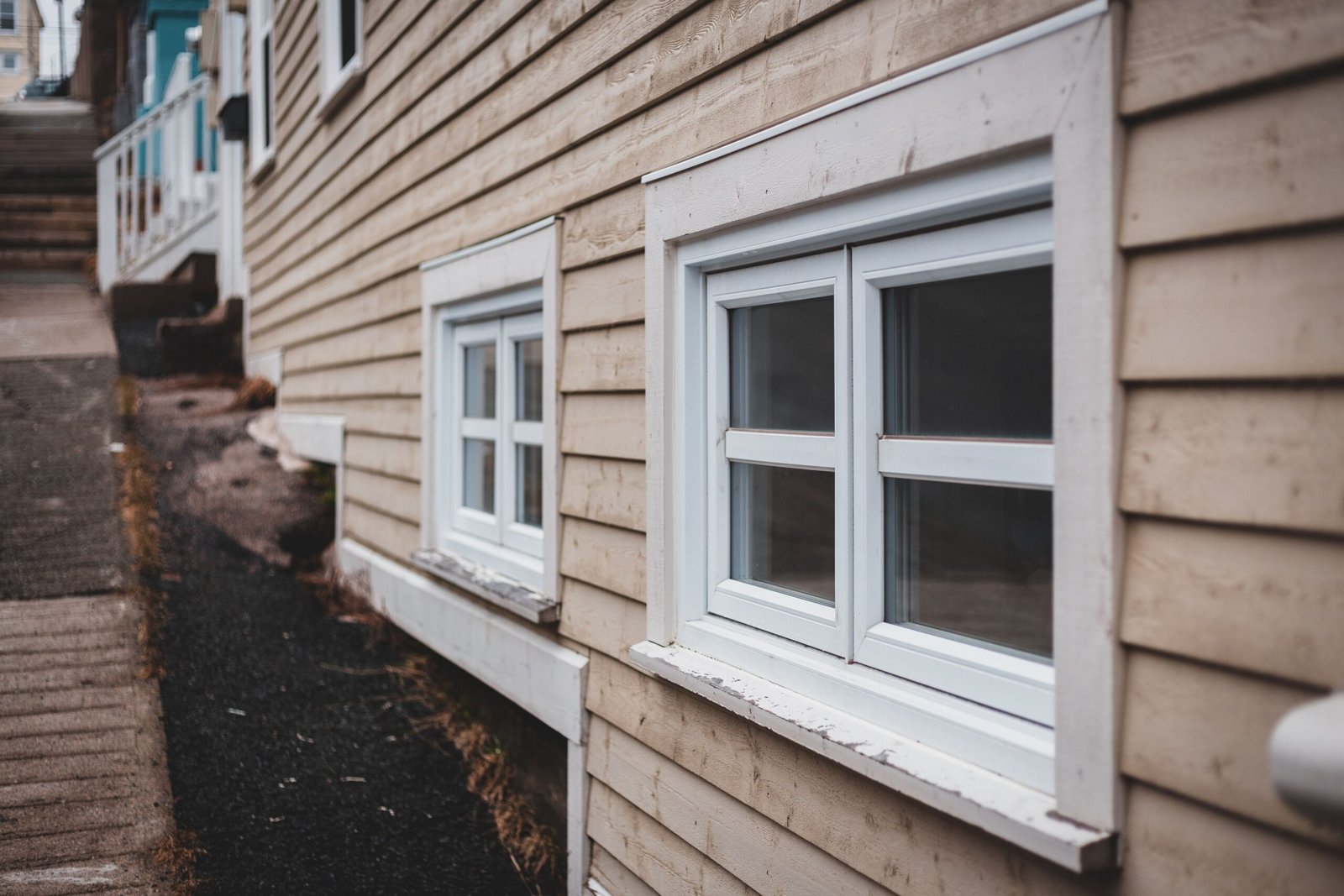
Basement windows affect ventilation, natural light, moisture control, and emergency access in lower-level living spaces. A basement window replacement project involves selecting suitable window styles and measuring existing openings. Older foundations can add challenges when frames deteriorate or exterior soil restricts window operation. Here is what to know when planning a basement window replacement:
Check Egress Requirements
Egress windows provide an emergency exit from basement bedrooms and other spaces where building codes require escape openings. Their dimensions determine whether occupants have enough clearance to exit during an emergency. When a basement is converted into a bedroom or living area, local regulations may impose specific requirements. Checking the applicable code early helps establish the required window dimensions before installation begins.
Window wells also affect emergency access when the opening sits below ground level. Soil, outdoor equipment, and accumulated debris can obstruct the exit, while inadequate clearance restricts movement. Some installations require ladders or steps within deeper wells, depending on local regulations. A local building department is able to clarify the requirements for your property and planned basement use.
Measure Existing Window Openings
Accurate measurements help determine which replacement windows fit the existing opening. The frame’s width, height, and condition influence product selection; older foundations sometimes have irregular dimensions. A professional assessment also identifies deterioration around the frame that could affect installation. Precise measurements help establish whether the existing opening needs modification. Before selecting a replacement, examine the surrounding structure for signs of damage. Soft framing, cracked materials, and corrosion indicate problems beyond the window itself. Use the following checklist when assessing the opening:
- Check the frame for rot, warping, corrosion, and damaged seals.
- Measure the opening’s width and height.
- Inspect the wall depth around the existing frame.
- Identify exterior obstructions that restrict window movement.
Evaluate Energy Efficiency
Basement windows are often installed next to damp soil, which reduces their effectiveness. Damaged seals let air in, while poorly insulated glass lets heat escape. Modern insulation makes windows airtight, and proper sealing prevents water from getting through the opening.
When selecting basement window materials, condensation must be taken into account. Moisture forms on surfaces where hot air meets cold glass. This problem worsens due to excessive humidity. A window installer will check the seals, glass, and frame for drafts and identify possible solutions to the existing problems.
Choose Suitable Window Styles
Basement openings often have limited exterior clearance, so the window’s opening direction affects its suitability. Hopper windows hinge at the bottom and open inward, making them practical for compact spaces. Awning windows open outward from the bottom; casement windows swing outward from side hinges.
The opening mechanism also depends on the exterior well’s dimensions and the available wall space. If there is not enough space outside, an outward-opening sash could have clearance issues with the well. Inward-opening designs avoid this issue, but you still need enough clearance for interior furniture and equipment.
Ventilation and emergency access are also factors to evaluate when selecting windows for a basement. If an egress opening is required for a bedroom, a window that complies with applicable building codes must be provided. Choose a style that suits the initial dimensions, room size, and clearance requirements.
Prepare the Installation Area
Installation planning involves more than removing an old window and fitting a replacement. The condition of the foundation opening influences preparation, alignment, and sealing requirements. When installers remove the existing unit, they must protect surrounding materials from unnecessary damage. A properly fitted window should sit level and have sealed perimeter joints. Before basement window replacement and installation begin, clarify the following project details:
- Removal procedures: Establish how installers will protect surrounding walls and finishes.
- Opening preparation: Identify repairs or adjustments required before fitting the new unit.
- Weather sealing: Confirm how installers will address gaps around the frame.
- Site cleanup: Clarify how installers will handle removed materials and installation debris.
Plan Your Basement Window Replacement
Basement window replacement creates an opportunity to reassess how lower-level rooms will serve your household in the future. A closet converted into an office space will have different ventilation and daylight needs. Discussing future room use during a consultation with a specialist helps you choose the right windows. Get a specialist’s opinion regarding installation and determine the right replacement solution.