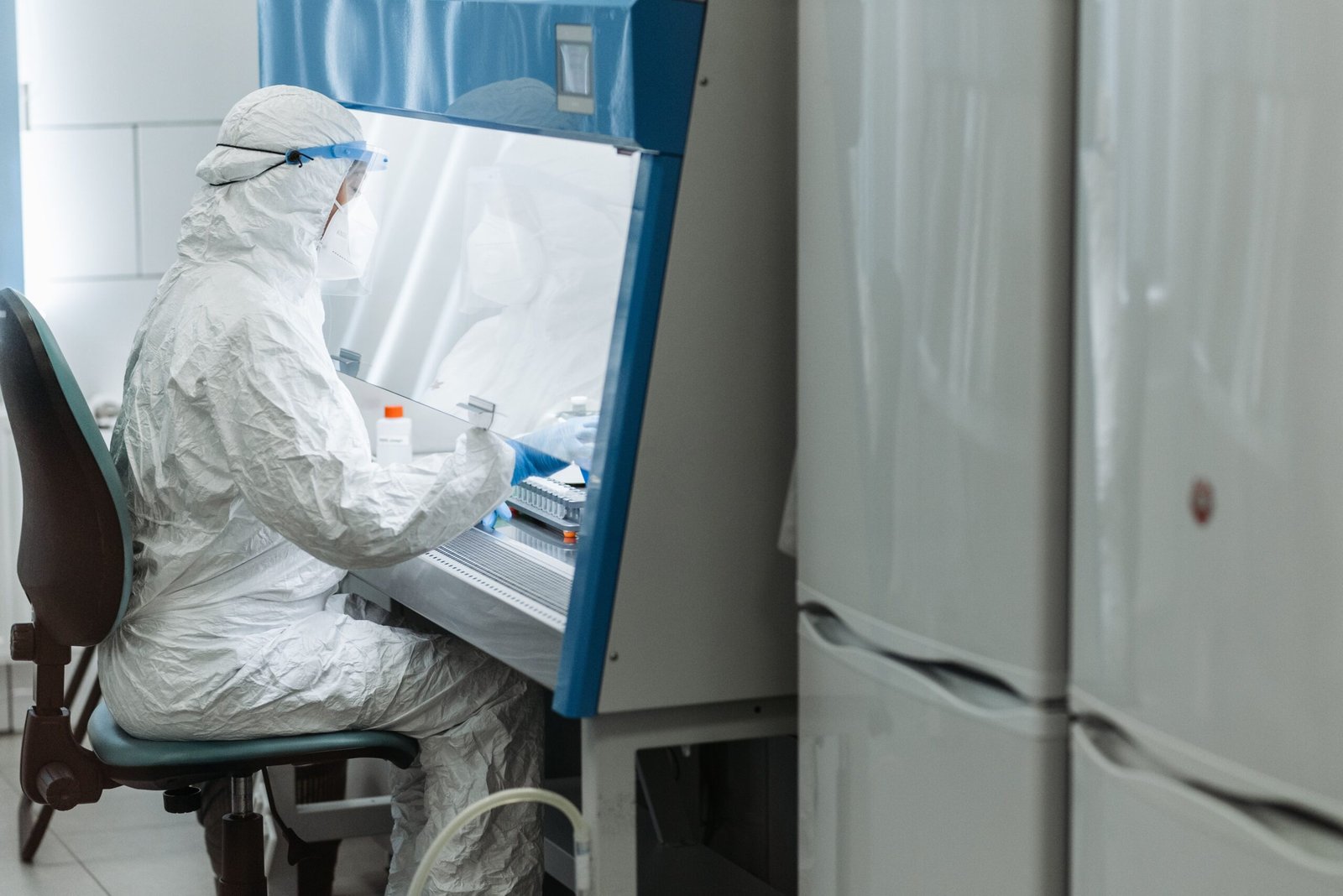
A clean laboratory environment plays a crucial role in maintaining reliable experimental results. Airborne particles, dust, and environmental contaminants can interfere with sensitive procedures, making controlled airflow essential. When searching for a laminar flow hood for sale, laboratory professionals should understand how these systems operate, which configurations suit their applications, and what factors influence their performance.
Understanding Laminar Flow Technology
Laminar airflow systems create a controlled working environment by directing filtered air across a designated workspace. The airflow helps reduce the accumulation of airborne particles around sensitive materials.
Unlike ordinary ventilation systems, laminar airflow technology emphasizes consistent air movement. High-efficiency filtration captures fine particles before the air reaches the working area.
How Controlled Airflow Supports Laboratory Accuracy
Airborne contamination can affect research samples, electronic components, and delicate laboratory materials. A properly maintained laminar airflow system reduces exposure to particles that might compromise these processes.
However, not every airflow hood provides the same protection. Some systems protect the materials being handled, while others are designed to protect personnel or the surrounding environment.
Understanding this distinction is essential before selecting equipment.
Different Types of Laminar Flow Hoods
Laboratories use several airflow configurations depending on their working requirements.
Horizontal Airflow Systems
Horizontal configurations direct filtered air from the rear of the enclosure toward the operator.
These systems can provide effective particle control for suitable nonhazardous applications. Their design also allows convenient access to materials positioned within the working area.
Vertical Airflow Systems
Vertical configurations direct filtered air downward from the upper section of the enclosure.
This arrangement can be useful when laboratory layouts or particular workflows favor downward airflow. Equipment placement and operator movement must still be considered to avoid disrupting the air stream.
Neither configuration should be assumed to provide personnel protection from hazardous substances.
Important Features to Evaluate
When comparing a laminar flow hood for sale, laboratory professionals should examine more than its external dimensions.
Filtration Performance
High-efficiency particulate air filtration is a major component of many clean-air workstations. Filter integrity, installation quality, and maintenance influence the system’s effectiveness.
Workspace Dimensions
The internal working area should accommodate necessary instruments without excessive crowding.
Restricted airflow caused by poor equipment placement can reduce contamination-control performance.
Airflow Stability
Consistent airflow supports predictable working conditions. Variations caused by blocked filters, mechanical problems, or surrounding air movement may affect performance.
Cleaning and Maintenance
Smooth internal surfaces and accessible components make routine cleaning easier. Laboratories should also consider filter replacement requirements and inspection procedures.
Matching Equipment to Laboratory Applications
A laminar flow hood for sale may be considered for activities involving nonhazardous materials that require protection from airborne particles.
Examples include certain electronics assembly procedures, sample preparation activities, and controlled handling of sensitive materials.
The equipment must be matched to the actual hazard assessment. Procedures involving infectious agents, hazardous aerosols, toxic chemicals, or volatile substances may require specialized containment systems instead.
A clean-air workstation is not automatically interchangeable with a biological safety cabinet or chemical fume hood.
Installation and Operating Considerations
Even a well-designed airflow system can perform poorly when installed incorrectly.
Laboratories should avoid positioning clean-air workstations near frequently opened doors, strong ventilation outlets, or heavy pedestrian traffic.
Operators should also minimize unnecessary movement inside the working area. Rapid hand movements and overcrowded workspaces can disturb controlled airflow.
Regular cleaning, airflow verification, and filtration checks help maintain performance.
Why Routine Verification Matters
Airflow characteristics can change as filters accumulate particles or mechanical components age.
Scheduled inspections allow laboratory personnel to identify changes before they significantly affect working conditions.
Documentation of maintenance and verification activities also supports consistent laboratory practices.
Conclusion
Choosing a laminar flow hood for sale requires careful attention to airflow configuration, filtration, workspace dimensions, and intended applications. Understanding the difference between product protection and personnel containment is particularly important. With appropriate selection, installation, and maintenance, a suitable airflow workstation can support cleaner working conditions and more dependable laboratory procedures.