Introduction
The term importpellet can be understood as a search term associated with importing pellets, particularly wood pellets and other compressed biomass products used for heating, industrial energy, and manufacturing. Depending on the context, it may also refer to a specific online platform, business, or digital project. Understanding the intended meaning is important because the term does not, by itself, establish the identity of a particular company or service.
Pellet imports are an important part of international trade, especially as households, businesses, and industrial facilities seek alternative fuels and more efficient ways to manage energy costs. Wood pellets, agricultural biomass pellets, and certain industrial pellets are manufactured in standardized forms that make them easier to store, transport, and handle in bulk.
This guide explains the likely meaning of importpellet in the context of pellet imports, including the products involved, how the import process works, important quality standards, costs, benefits, risks, and current industry considerations. Specific details about a company or website called “importpellet” would require a verified identity or an official source.
Quick Information Table
| Topic | Information |
|---|---|
| Main keyword | importpellet |
| General interpretation | Pellet importing and international pellet trade |
| Common products | Wood pellets, biomass pellets, and industrial pellets |
| Primary uses | Heating, industrial energy, manufacturing, and material processing |
| Main participants | Manufacturers, exporters, importers, distributors, and end users |
| Common transportation methods | Bulk vessels, containers, trucks, and rail |
| Key quality considerations | Moisture, ash content, durability, density, and consistency |
| Major business considerations | Pricing, shipping, customs, storage, and supplier reliability |
| Main challenges | Transportation costs, product quality, regulations, and supply disruptions |
| Best practice | Verify suppliers, product specifications, applicable regulations, and total landed costs |
What Is importpellet?
Importpellet is a keyword that may describe the process of bringing pellet products from one country into another. In the biomass industry, this usually means importing compressed wood pellets or other biomass-based fuels for residential heating, commercial use, and industrial energy production.
However, the term should not automatically be treated as the name of an established company, marketplace, certification program, or software platform. Its precise meaning depends on the website or business using it.
Understanding Pellet Products
Pellets are small, compressed pieces of material manufactured for specific purposes. Their composition and production methods vary according to the intended application. Knowing these types helps any importpellet buyer compare offers accurately.
The main types include:
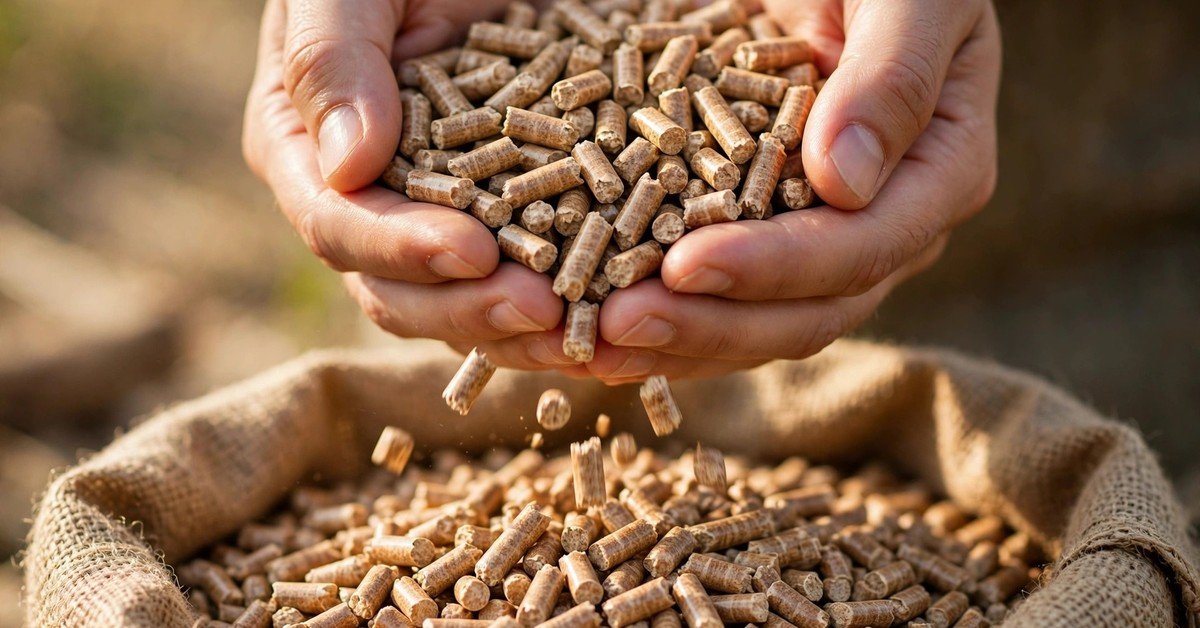
- Wood pellets: Manufactured from materials such as sawdust, wood shavings, and suitable wood-processing residues. They are commonly used in pellet stoves, boilers, and industrial energy facilities.
- Agricultural biomass pellets: Produced from suitable agricultural residues, including straw and other plant materials. Their properties depend on the raw material and intended use.
- Industrial biomass pellets: Manufactured to meet the fuel requirements of large-scale boilers and power generation facilities.
- Plastic and industrial material pellets: Small granules used as raw materials in manufacturing. These are different from biomass fuel pellets and require separate product specifications and import considerations.
For businesses researching importpellet, identifying the exact product is the first step. Wood fuel, agricultural biomass, and plastic manufacturing granules have different markets, transportation requirements, safety considerations, and regulatory classifications.
How the Pellet Import Process Works
Importing pellets involves several stages, from identifying a suitable supplier to receiving and inspecting the shipment. A reliable process helps reduce delays, unexpected expenses, and quality disputes. Each stage matters for anyone planning to import pellets at a commercial scale.
1. Identifying the Right Product
The importer must determine what type of pellet is needed and how it will be used. For example, a household using a pellet stove may need high-quality residential heating pellets, while a power plant may purchase large volumes of industrial biomass.
Important specifications include material composition, dimensions, moisture content, ash content, heating value, durability, and packaging format.
The required specifications should be agreed upon before a purchase order is issued.
2. Finding and Verifying Suppliers
Suppliers may include manufacturers, exporters, wholesalers, brokers, or distributors. Each type of supplier offers different advantages.
Buying directly from a manufacturer may provide better control over production specifications and supply volumes. A distributor may offer smaller quantities, convenient packaging, or more flexible delivery arrangements.
Before entering an agreement, importers should verify the supplier’s legal identity, business registration where applicable, production capacity, references, product documentation, and payment terms.
A professional-looking website alone does not prove that a supplier is legitimate.
3. Requesting Samples and Quality Documents
Samples can help buyers assess pellet appearance, consistency, and physical condition before ordering large quantities. However, appearance alone cannot establish fuel quality.
For larger orders, buyers should request relevant laboratory test results and agree on an inspection procedure. Depending on the product, tests may measure moisture, ash, calorific value, mechanical durability, contaminants, or chemical composition.
The contract should explain what happens if the delivered product does not meet the agreed specifications.
4. Arranging Transportation
Pellet transportation depends on shipment size, distance, destination, and packaging.
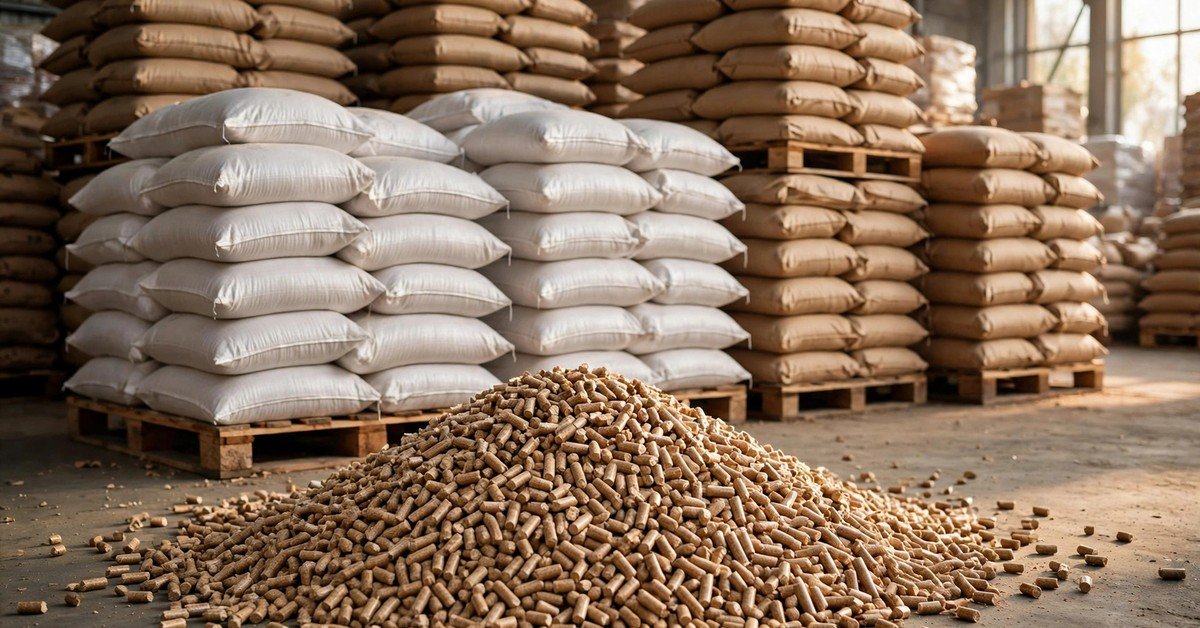
Smaller orders may travel in bags or palletized containers. Large industrial shipments may use bulk containers, trucks, railcars, or specialized bulk vessels.
Transportation planning should account for loading, unloading, storage, handling losses, insurance, and the possibility of shipping delays. Biomass pellets also need protection from rain and excessive moisture during transport.
5. Customs Clearance and Delivery
International shipments generally require commercial and transport documentation. Depending on the destination and product, the paperwork may include a commercial invoice, packing list, bill of lading or other transport document, certificate of origin, customs declaration, and applicable permits or conformity documents.
The importer must confirm the correct tariff classification and any duties, taxes, restrictions, or inspection requirements with the relevant authorities or a qualified customs broker.
Once the shipment arrives, it should be inspected against the purchase contract before final acceptance.
Main Features of the Pellet Import Market
The pellet import market has several characteristics that influence purchasing decisions and business opportunities. For buyers researching importpellet, these characteristics shape every sourcing decision.
International Supplier Networks
Pellet buyers can source products from domestic manufacturers or international producers. The best sourcing location depends on raw material availability, manufacturing capacity, quality, shipping routes, and trade conditions. In today’s pellet imports market, an importpellet buyer with several verified suppliers is far less exposed to disruption.
A low factory price does not necessarily make a supplier the most economical option. Distance, port charges, duties, and inland transportation can significantly change the final cost.
Standardized Product Specifications
Standardized specifications make it easier to compare products from different manufacturers. For wood pellets, recognized quality systems can help buyers evaluate whether a product is suitable for a particular appliance or industrial process.
Residential heating products and industrial fuel products should not be treated as interchangeable. Their quality requirements and intended uses can differ considerably.
Bulk Purchasing Opportunities
Large-volume purchases can reduce some per-unit handling and shipping expenses. They may also provide more predictable supplies for manufacturers and energy producers.
However, bulk purchasing increases the importance of supplier reliability, storage capacity, working capital, and accurate demand forecasting. Ordering more pellets than a business can safely store or use can create additional costs rather than savings.
Supply Chain Coordination
Successful importing requires coordination among manufacturers, freight providers, customs brokers, warehouses, inspectors, and final customers.
Poor communication between these parties can lead to incorrect labeling, missing documentation, delayed deliveries, damaged products, or disputes over quality.
Benefits of Importing Pellets
Importing pellets can offer commercial and operational advantages when buyers select suitable products and manage the supply chain carefully. These benefits help explain the steady growth of pellet imports worldwide.
Access to a Wider Range of Suppliers
International purchasing allows businesses to compare manufacturers across multiple regions. This can be valuable when domestic production is insufficient or when a specific product grade is unavailable locally.
A broader supplier network may also reduce dependence on a single producer.
Potential Cost Savings
Imported pellets may be competitively priced when the exporting region has abundant raw materials, efficient production facilities, or favorable transportation arrangements.
Nevertheless, savings must be calculated using the total landed cost rather than the supplier’s quoted price alone.
Consistent Supply for Commercial Operations
Businesses that depend on pellets for heating or industrial processes may use imports to supplement local supplies. Long-term contracts and carefully planned shipments can help manage seasonal demand and production schedules.
Importers should still maintain contingency plans for unexpected disruptions.
Opportunities for Business Growth
Distributors and wholesalers can build businesses around supplying pellet products to households, retailers, farms, factories, and energy facilities.
Potential business models include bulk distribution, bagged retail sales, specialized product sourcing, and long-term supply agreements. Each requires suitable storage, working capital, quality controls, and customer service.
Quality Standards and Product Verification
Quality control is one of the most important aspects of importing pellets. Products that appear similar can perform differently because of their raw materials, manufacturing processes, and storage conditions. In practice, importpellet success depends on consistent quality, and pellet imports that skip verification rarely stay profitable.
Important Wood Pellet Quality Factors
The following factors are particularly relevant to biomass fuel pellets.
- Moisture content: Excess moisture can reduce useful energy output and affect combustion.
- Ash content: Higher ash levels may increase cleaning requirements and create more residue after burning.
- Calorific value: This measures the energy released during combustion and helps buyers compare fuel performance.
- Mechanical durability: Stronger pellets are generally less likely to break apart during transport and handling.
- Fines and dust: Excess loose material can cause handling problems and may affect feeding systems.
- Chemical composition: Certain elements and contaminants can contribute to corrosion, deposits, emissions, or equipment damage.
Understanding Certification
ENplus is a recognized quality certification scheme for wood pellets, particularly in the European residential heating market. Its requirements cover relevant product quality and supply chain controls.
Certification should be verified against the actual supplier, product, and applicable certification records. A claim printed on a bag or included in a quotation is not sufficient proof by itself.
Importers serving industrial customers may need additional technical specifications or sustainability documentation beyond residential pellet quality certification.
Why Independent Inspection Matters
Independent inspection can reduce the risk of receiving a shipment that does not meet contractual requirements. The parties should agree on sampling methods, laboratory testing, inspection timing, and acceptance thresholds in advance.
For high-value shipments, it is useful to establish procedures for handling rejected goods, replacement deliveries, price adjustments, or other remedies.
Costs and Financial Considerations When Importing Pellets
A successful import business needs a clear understanding of all costs involved. Comparing quotations without calculating the total delivered cost can lead to inaccurate profit estimates. For importpellet budgeting, the biomass pellet trade rewards buyers who compare full landed costs, not headline prices.
Major Import Expenses
The total cost may include:
- Product purchase price: The amount charged by the manufacturer or exporter.
- Packaging and loading: Expenses associated with bags, pallets, containers, and loading operations.
- International freight: Charges for shipping by sea, air, rail, or road, depending on the product and route.
- Insurance: Coverage against eligible loss or damage during transportation.
- Customs duties and taxes: Charges determined by the importing country’s rules and the product’s tariff classification.
- Port and handling fees: Costs for unloading, terminal services, inspections, and storage.
- Inland transportation: Delivery from the port or border crossing to the warehouse or final customer.
- Storage and financing: Warehouse expenses, inventory costs, and the cost of tying up money in unsold stock.
Calculating the Landed Cost
The landed cost is the total expense of getting an imported product to the agreed destination, including applicable import charges and logistics costs. Every importpellet budget should be built on this figure.
A simplified calculation is:
Landed cost per tonne = Total import and delivery expenses ÷ Usable tonnes received
For example, if a shipment costs $20,000 in total and delivers 100 usable tonnes, the landed cost is $200 per tonne. This is an illustrative calculation, not a current market quotation.
Importers should compare suppliers using equivalent product specifications, shipment sizes, delivery terms, and quality requirements. They should also account for damaged goods, handling losses, and currency fluctuations when relevant.
Risks and Challenges Associated With importpellet
Although pellet importing can create business opportunities, it also involves risks that require careful management. For importpellet buyers, the safest pellet imports are those backed by verified suppliers and clear contracts.
Supplier Fraud and Misrepresentation
An importer may encounter sellers who misrepresent their production capacity, product quality, business identity, or delivery arrangements.
To reduce this risk, verify company registration where applicable, request references, inspect samples, and confirm banking details through trusted communication channels. Be cautious of unusually low prices, pressure to make immediate payments, and unexplained changes to payment instructions.
Product Quality Problems
Poor-quality pellets may contain excessive moisture, too much dust, unsuitable materials, or contaminants. These issues can lead to customer complaints, inefficient combustion, equipment damage, or rejected shipments.
Clear contractual specifications and independent testing help protect buyers.
Shipping Delays and Supply Disruptions
Weather, port congestion, transport interruptions, political developments, and changes in trade rules can delay deliveries or increase expenses.
Importers should monitor lead times, maintain appropriate inventory, and avoid relying entirely on a single supplier or shipping route when continuity is essential.
Regulatory and Environmental Compliance
Import requirements vary by product and destination. Biomass products may be subject to rules concerning product origin, sustainability, environmental claims, customs classification, and documentation.
For example, wood pellet imports into certain markets may require additional evidence concerning the origin of wood and the supply chain. Importers must check the regulations that actually apply to their transaction rather than assuming that compliance in the exporting country is sufficient.
Storage and Workplace Safety
Wood pellets must generally be stored in dry, suitable conditions to protect their quality. Exposure to moisture can cause deterioration and increase handling problems.
Bulk biomass storage also requires appropriate safety procedures because fine dust can present a fire or explosion hazard, and stored pellets can generate carbon monoxide under certain conditions. Enclosed storage areas require suitable ventilation, monitoring, and controlled access. Workers should never enter confined storage spaces without appropriate procedures.
Latest Trends in the Pellet Import Industry
The pellet trade continues to evolve in response to energy demand, manufacturing capacity, sustainability expectations, and international regulations. Tracking these trends helps importpellet buyers time their purchases, because pellet imports respond quickly to shifts in energy demand.
Growing Importance of Biomass Supply Chains
Wood pellets remain an important traded biomass product in several regions. European markets are particularly significant because imported supplies help meet demand that domestic production does not always fully satisfy.
Recent industry estimates indicate that European Union wood pellet consumption reached approximately 22.7 million metric tonnes in 2025, with further growth forecast for 2026. Actual outcomes depend on energy prices, weather, industrial demand, domestic production, and government policy.
These developments make it important for importers to monitor market conditions rather than relying on historical prices or demand estimates.
Increased Attention to Traceability
Buyers and regulators are placing greater emphasis on knowing where raw materials originate and how products move through the supply chain.
For wood pellets, this can mean maintaining reliable records of raw material sources, suppliers, production batches, and transport movements. Businesses selling into regulated markets should establish documentation procedures before entering long-term supply agreements.
Expansion of Certified Pellet Production
Quality certification continues to play an important role in building confidence among buyers. Certified wood pellet production under the ENplus scheme exceeded 14.5 million tonnes in 2025, illustrating the scale of certified supply.
Certification can help buyers compare products, but it does not eliminate the need to verify the supplier, confirm the intended application, or inspect shipments where appropriate.
Greater Focus on Total Supply Chain Costs
Importers are increasingly required to evaluate freight, storage, compliance, financing, and product quality together. A product that is inexpensive at the factory may become less competitive after transportation and regulatory expenses are included.
Businesses that regularly review their landed costs and supplier performance are better positioned to make informed purchasing decisions.
How to Evaluate an importpellet Website or Business
If you encountered the word importpellet on a website, social media post, or business article, it is important to establish what the name actually represents before relying on its information.
Verify the Identity
Check whether the name belongs to a registered company, an online marketplace, a product category, or an informational website. Look for consistent company details, a verifiable business address where applicable, and clear information about the products or services offered.
Do not assume that a website discussing pellet imports is itself a pellet manufacturer or exporter.
Review Product and Service Details
If the business offers physical pellets, examine its product descriptions, specifications, available quantities, packaging options, delivery terms, and returns or claims policies.
If the website provides information rather than selling products, evaluate whether its explanations are supported by verifiable technical details and current industry information.
Assess Payment and Contract Terms
Before making a purchase, confirm the legal identity of the seller, the destination of payments, delivery responsibilities, and the terms governing damaged or nonconforming goods.
For large orders, a written contract and independently verified payment instructions are especially important.
Look for Reliable Customer Evidence
Customer reviews may help identify recurring issues, but reviews alone cannot establish that a business is legitimate. Consider the age and credibility of the reviews, the seller’s responses to complaints, and any independently verifiable business history.
Without a confirmed official identity, it would be inaccurate to attribute specific services, ownership details, founding dates, or business achievements to importpellet.
Frequently Asked Questions About importpellet
What does importpellet mean?
Importpellet may refer to importing pellet products across national borders, especially wood pellets used for heating and biomass energy. The precise meaning depends on the context in which the keyword appears.
Is importpellet a company or website?
The keyword alone does not establish the identity of a particular company or platform. Its official name, ownership, services, and operating history should be verified before making any claims about it.
Which pellets are commonly imported?
Wood pellets are widely traded for residential heating and industrial energy production. Agricultural biomass pellets and plastic manufacturing granules are also traded internationally, but they serve different purposes and follow different product requirements.
How can importers select a reliable pellet supplier?
Importers should verify the supplier’s identity, compare technical specifications, request samples, review relevant test reports, agree on inspection procedures, and confirm delivery and payment terms before placing an order.
Are imported wood pellets environmentally friendly?
Their environmental impact depends on the raw material source, forestry practices, manufacturing energy, transportation, and final use. Importing a biomass fuel does not automatically make it sustainable or carbon neutral.
What determines the price of imported pellets?
The price depends on the product type, quality grade, order volume, supplier location, shipping route, packaging, customs charges, taxes, and storage requirements. The landed cost is generally more useful for purchasing decisions than the quoted factory price.
What should buyers check before importing pellets?
Buyers should confirm the product specification, supplier legitimacy, applicable import requirements, quality documentation, total landed cost, shipping arrangements, and storage capacity. For fuel pellets, compatibility with the intended equipment is also essential.
Conclusion
Importpellet is best approached as a keyword associated with pellet importing unless a specific company, platform, or product can be independently identified. In the wider pellet trade, successful importing depends on selecting the right product, verifying suppliers, maintaining quality standards, calculating the full landed cost, and complying with destination-country requirements.
Wood pellets and other biomass products offer opportunities for distributors, manufacturers, and energy users, but the benefits depend on reliable sourcing and careful supply chain management. Current market developments also make product traceability, environmental compliance, and accurate cost planning increasingly important.
For anyone researching importpellet as a particular online business, confirming its official identity is the necessary first step before drawing conclusions about its services, reputation, or history.