Architectural wall design has evolved beyond simple exterior coverage. Today, building surfaces contribute to visual identity, structural coordination, environmental protection, and the overall experience of a space.
An aluminum composite wall panel can help designers achieve these objectives through a combination of smooth finishes, relatively low weight, and adaptable fabrication characteristics.
Understanding where this material fits within a wall assembly is essential for creating dependable architectural results.
The Role of Wall Panels in Building Design
Exterior wall panels provide the visible layer of many contemporary building envelopes.
They can conceal supporting construction, define architectural proportions, and create visual continuity across different sections of a structure.
An aluminum composite wall panel can be integrated into facades where designers want a clean, organized appearance.
Its construction generally combines two aluminum skins with a bonded core, creating a panel with useful stiffness relative to its weight.
Why Weight Matters
Building designers must consider the loads transferred from exterior finishes to the supporting structure.
Relatively lightweight cladding can help limit the dead load associated with the facade.
However, the weight of the complete system also includes subframes, brackets, fasteners, and other supporting components.
These elements must be evaluated together.
Creating Architectural Character Through Surface Design
Wall cladding strongly influences how a building is perceived.
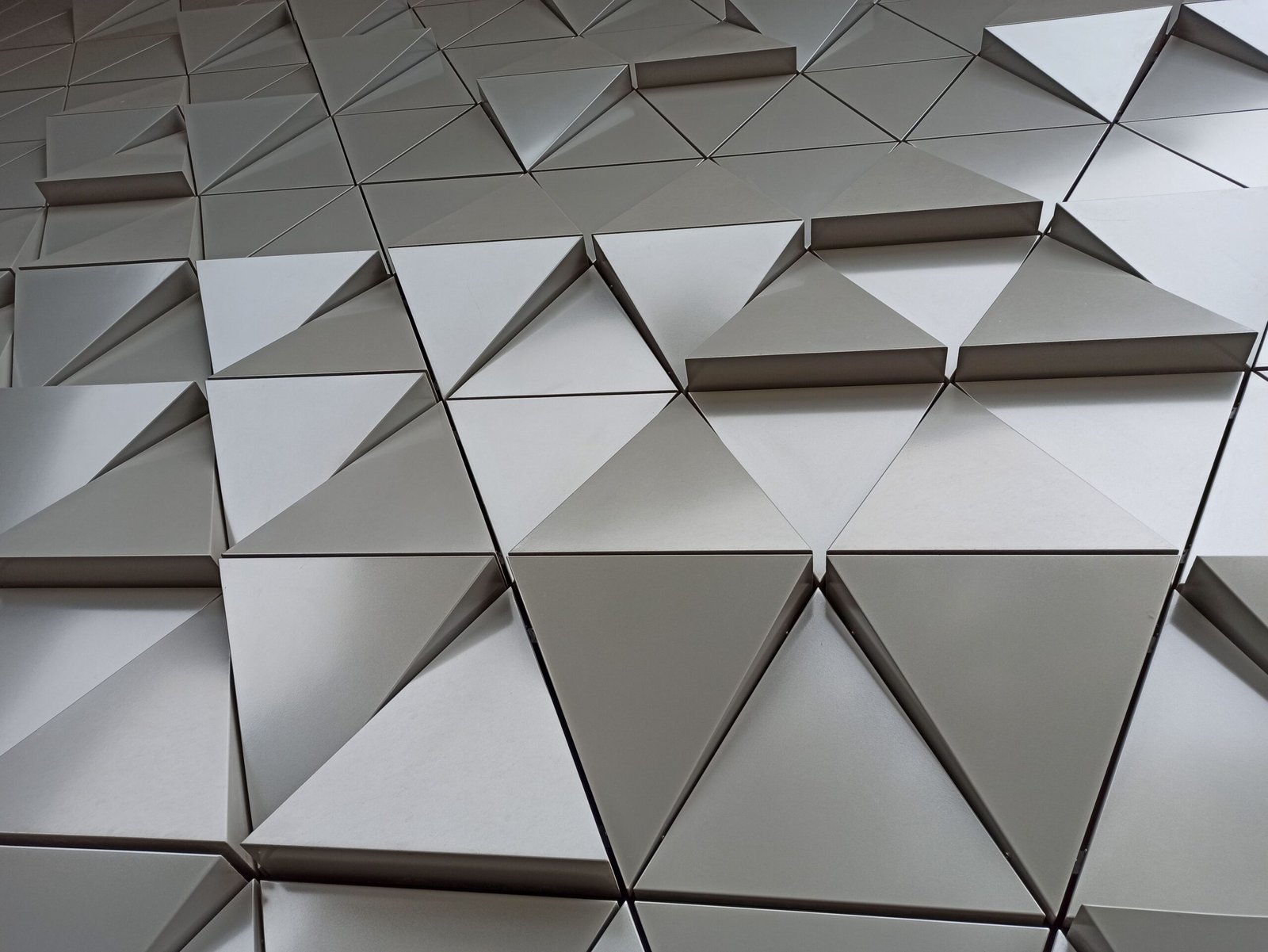
Smooth panels can emphasize simplicity, while varied colors and arrangements introduce visual depth.
An aluminum composite wall panel may be used to create accent areas around entrances, contrast with glazing, or distinguish upper building levels.
Horizontal and Vertical Arrangements
Horizontal panel layouts can reinforce the width of a building.
Vertical arrangements may visually emphasize height and create a more pronounced architectural rhythm.
Designers can also combine different panel proportions to establish focal points.
Consistent joint alignment helps maintain the intended visual effect.
Understanding Installation Requirements
Panel installation should follow an approved design rather than relying solely on general construction practices.
The supporting structure must accommodate the expected loads and attachment requirements.
An aluminum composite wall panel also needs appropriate movement allowances because aluminum expands and contracts with temperature changes.
The Importance of Accurate Connections
Connection details affect structural reliability and surface appearance.
Poorly positioned fasteners or insufficient movement allowances may contribute to panel distortion.
Suitable support spacing, secure attachments, and correctly designed joints help the facade perform as intended.
Installation tolerances should be established before work begins.
Moisture and Weather Management
Exterior walls encounter wind-driven rain, condensation risks, and seasonal temperature changes.
The visible aluminum composite wall panel may shed much of the direct rainfall, but the underlying wall assembly must provide appropriate moisture protection.
Depending on the design, this may include drainage cavities, flashings, membranes, and ventilation provisions.
Special attention should be given to window openings and transitions between different facade materials.
Evaluating Fire Performance
Fire safety is a critical part of exterior wall design.
Different composite cores have different characteristics, and the complete wall assembly may be subject to specific testing requirements.
An aluminum composite wall panel should therefore be selected only after reviewing applicable building regulations and project specifications.
Material appearance should never substitute for verified technical compliance.
Maintenance and Appearance Retention
Surface cleaning helps preserve the appearance of architectural panels.
The appropriate cleaning frequency depends on local conditions, building height, pollution levels, and accessibility.
Inspections should identify damaged coatings, loose connections, and joint deterioration.
Using approved cleaning techniques helps avoid unnecessary damage to decorative finishes.
Conclusion
An aluminum composite wall panel provides architects with a flexible approach to contemporary wall design. Its lightweight construction, smooth surfaces, and fabrication possibilities can support visually distinctive building exteriors. Nevertheless, dependable performance requires thoughtful engineering and careful coordination with the supporting wall system. Structural attachments, moisture control, fire-safety requirements, and maintenance should all influence specification decisions. When these factors are considered together, composite wall panels can contribute to architectural designs that balance appearance, functionality, and long-term reliability.