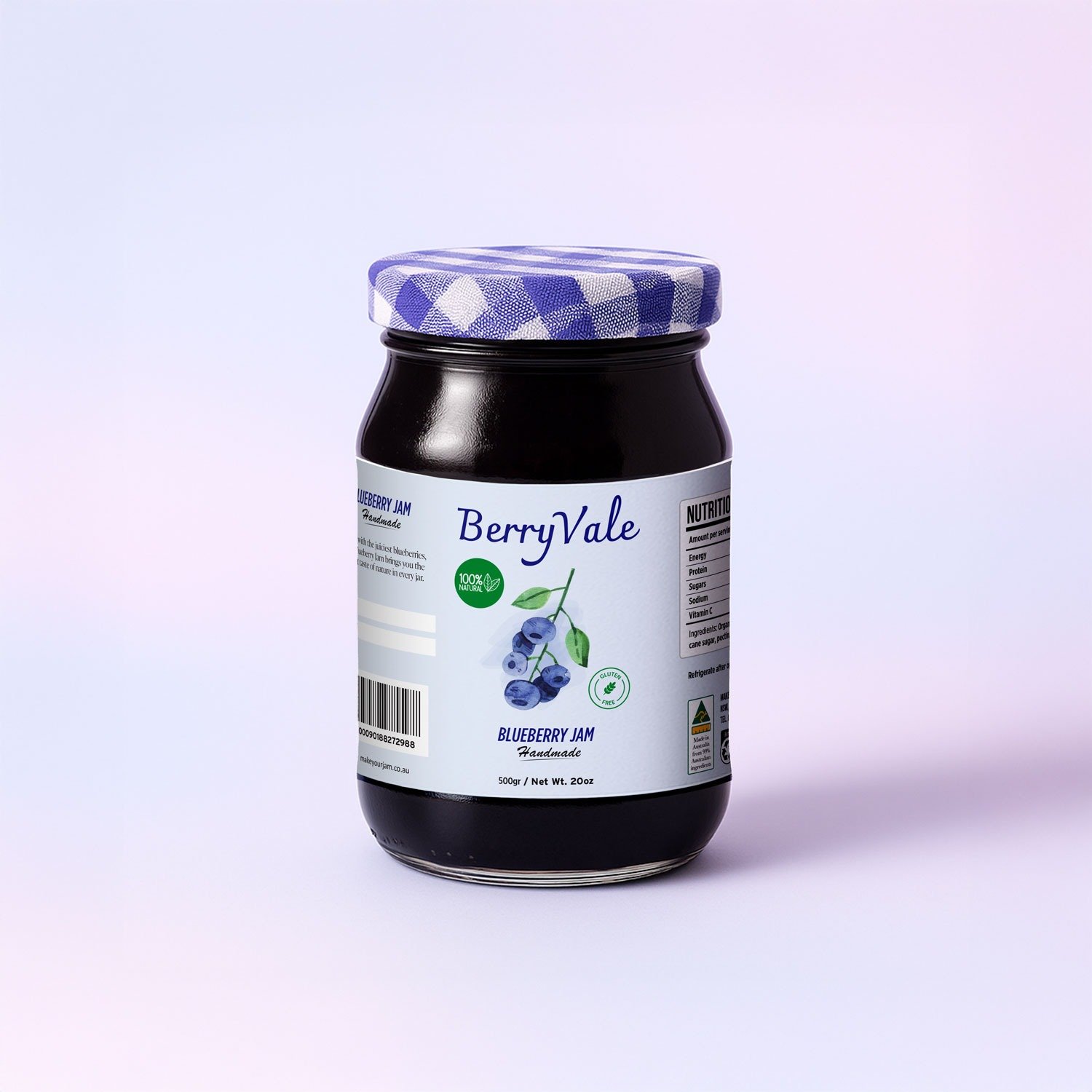
Launch week has a way of exposing whatever you left until last, and food labels are usually sitting right at the top of that list. The recipe is locked, the jars have arrived, and then someone asks what size the artwork needs to be. Nobody has an answer.
Getting food labels planned early takes the drama out of the whole run, because the print side is the one part that cannot be rushed at the end. Artwork, dimensions, material and quantity all feed into each other. Sort them in the right order and the launch stops feeling like a scramble.
The Launch Checklist Nobody Writes Down Until It Bites
Container Dimensions Come Before Anything Else: Label size depends entirely on the container, so measuring the jar, bottle or pouch has to happen before artwork begins. The flat usable area is almost always smaller than the container looks, especially on curved glass. Designing first and measuring later means redrawing the whole thing, which wastes a week nobody has spare.
Product Information That Legally Has to Fit: Food packaging carries required details including ingredients, allergens, weight, storage advice and a date mark. All of that competes for the same small space your branding wants. Working out the information load early tells you whether your chosen jar can actually hold a readable label or whether a bigger format is needed.
Where Launches Go Sideways and Why It Keeps Happening
Text Nobody Over Forty Can Read: Shrinking type to squeeze in every detail is the most common sizing mistake in food packaging. Ingredient lists drop to a point size that looks fine zoomed in on screen and becomes unreadable at actual size. Print a trial sheet at 100 percent and hold it against the jar before approving anything.
Artwork That Fits the Design, Not the Jar: Designs built without a label template rarely fit the container they were made for. In everyday production work, printers routinely see artwork arrive sized for a flat rectangle when the product is a tapered bottle, which means logos land on the curve and text wraps out of sight. Templates prevent all of it.
What Waiting Actually Costs You: Leaving the print decision until the final fortnight narrows your choices fast. Rush jobs limit which materials and finishes are available, and a mistake caught at that stage means either delaying the launch or shipping with a label you are not happy with. Options shrink the closer you get.
Proofing Is the Boring Bit That Saves the Launch
Checking a Proof Properly, Not Quickly: A proof exists to catch what screen viewing hides, so it deserves more than a glance. Read the ingredient list backwards, check the weight against the actual filled jar, and confirm the allergen wording word for word. Sound quality assurance habits at this stage cost minutes and save entire print runs.
Material and Finish Confirmed Against Real Conditions: Material choice should match how the product gets stored, handled and sold. Chilled sauces and oily products need synthetic stock with a laminate, since paper struggles with condensation over time. Dry goods on a shelf cope fine with laminated paper, and that difference matters more than the finish you prefer visually.
Short Runs or Big Orders, and the Honest Maths
Why Small Quantities Suit a First Launch: Ordering a smaller first run gives you room to adjust once real customers handle the product. Recipes change, weights get tweaked, and a label detail you were sure about suddenly looks wrong on shelf. Basic inventory control thinking applies here, since boxes of outdated labels are just money sitting in a cupboard.
When Larger Quantities Start Making Sense: Bigger orders bring the per unit cost down, which works once your product details have settled and sales are predictable. The trade-off is flexibility, because a locked design and a thousand spare labels do not play well with a recipe change. Established lines benefit, new launches usually do not.
Run Through This Before the Order Goes In
The Pre-Print Check That Prevents Reprints: Most launch label problems trace back to a step skipped under time pressure. Getting food labels approved cleanly comes down to confirming a handful of specifics before anything goes to print. Ten minutes with this list beats a frustrating conversation about reprints the week your product is meant to go on sale.
- Confirm label dimensions against the filled container, not the empty sample.
- Check that ingredients, allergens, weight and date marking all fit at a readable size.
- Review a proof at full size and compare it against the actual packaging.
- Match material and finish to storage conditions such as refrigeration or oil contact.
- Decide quantities based on how settled your product details really are.
Walk Into Launch Week With One Less Thing to Worry About
Labels that were planned properly stop being a problem and simply do their job on the shelf. Leave them until the last fortnight and the cost shows up as rushed decisions, limited material options and the occasional reprint. Measure your containers, get the artwork templated, and book your proof check before the launch date is locked in.