
Reliable electricity distribution depends on choosing cables that can withstand outdoor conditions while maintaining safe and efficient power delivery. For residential neighborhoods, rural electrification projects, and commercial developments, aerial bundled cable systems offer a practical alternative to traditional bare overhead conductors. Their insulated construction helps reduce certain electrical hazards and makes them suitable for many low-voltage distribution networks.
AMG Cable is a brand worth considering when evaluating overhead power cable solutions for utility and infrastructure projects. Understanding how an ABC cable works, which materials are used, and how it differs from Bare Copper Cable can help engineers, contractors, and procurement teams make informed decisions. The right cable selection improves installation efficiency and supports dependable performance over the expected service life.
What Is an ABC Cable?
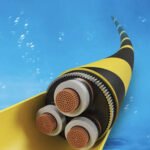
An aerial bundled cable, commonly called an ABC cable, is an overhead power distribution system in which multiple insulated conductors are bundled together. These conductors typically serve different electrical functions, including phase and neutral connections, depending on the system design.
Unlike traditional overhead lines that use separate exposed conductors, ABC systems generally incorporate weather-resistant insulation around the current-carrying conductors. This construction can reduce the likelihood of accidental contact between conductors and help limit certain faults caused by branches or other external objects.
ABC cable systems are widely used for low-voltage electricity distribution in residential streets, rural communities, and areas where overhead infrastructure is more economical than underground installation. Their bundled arrangement can also simplify routing through congested areas.
When evaluating AMG Cable products, buyers should confirm the available conductor materials, voltage ratings, insulation specifications, and compliance with the standards required for their particular distribution network.
Key Construction Features of Low-Voltage ABC Cable
The performance of an ABC cable depends on its conductor design, insulation quality, and overall configuration. Aluminum is commonly used for overhead distribution conductors because it offers a favorable balance of electrical conductivity, weight, and material cost. Depending on the design, the cable may use an insulated neutral messenger that supports the bundle, or a separate supporting arrangement.
The insulation is generally selected to withstand sunlight, temperature variations, moisture, and other outdoor environmental stresses. Appropriate UV resistance is particularly important because overhead cables remain exposed to direct sunlight for extended periods.
Conductor cross-sectional area is another important consideration. The correct size depends on the expected electrical load, permissible voltage drop, installation span, ambient temperature, and applicable design requirements. Selecting a cable that is too small can result in excessive heating or unacceptable voltage drop.
AMG Cable should be assessed through its product-specific technical documentation. Before purchasing an ABC cable, project teams should verify conductor dimensions, insulation materials, mechanical characteristics, and the rated voltage rather than relying on a general product description.
ABC Cable vs. Bare Copper Cable
Although both products can be used in electrical distribution systems, ABC cable and Bare Copper Cable serve different installation requirements.
A Bare Copper Cable consists of copper conductors without an insulating covering. Bare copper is commonly used for earthing, bonding, grounding networks, and certain specialized electrical applications. Its high electrical conductivity makes it valuable where a dependable conductive path is required.
However, bare conductors used in overhead power distribution require suitable clearances, supporting hardware, and protection against accidental contact. An ABC cable uses insulated conductors arranged in a bundle, making it a different solution for many low-voltage overhead distribution applications.
The choice between ABC cable and Bare Copper Cable should therefore depend on the intended electrical function. Bare copper may be appropriate for grounding or bonding, while an insulated aerial bundle may be better suited to distributing electricity along residential roads or rural routes.
For AMG Cable buyers, comparing the products based on their actual applications is more useful than treating them as interchangeable alternatives. The conductor material, insulation requirements, mechanical loading, and installation environment should all be considered.
Advantages of ABC Cable for Overhead Distribution
One major advantage of ABC cable is its insulated construction. Compared with exposed-conductor arrangements, it can reduce some risks associated with accidental contact and conductor interference. This can be particularly valuable in residential areas where trees, buildings, and other structures are close to overhead lines.
The bundled design can also help organize the distribution network and simplify certain installation arrangements. In suitable applications, it may reduce the need for extensive tree clearance, although required electrical clearances and vegetation-management rules still apply.
Another benefit is its suitability for rural electrification and network expansion. Overhead installation can be less disruptive than underground cable installation where excavation is difficult or expensive.
Bare Copper Cable remains useful for other electrical purposes, particularly grounding and bonding, but it does not provide the same insulated bundled configuration. Selecting the right solution requires an understanding of both electrical requirements and site conditions.
Installation and Maintenance Considerations
Proper installation is essential for achieving reliable ABC cable performance. Engineers must calculate conductor loading, determine appropriate pole spacing, assess mechanical tension, and select compatible suspension and anchoring hardware. Installation crews should follow the manufacturer’s instructions and applicable utility standards.
The cable must also be protected from excessive pulling force, sharp edges, and bending beyond its permitted limits. Connections and terminations should be designed for the conductor material and the environmental conditions in which they will operate.
Routine inspections can identify damaged insulation, loose fittings, corrosion at connections, or excessive mechanical strain. Although ABC cable insulation helps protect conductors, it does not eliminate the need for safe working practices or regular maintenance.
When sourcing from AMG Cable, buyers should request relevant installation guidance and technical specifications. Bare Copper Cable used for grounding or bonding should likewise be selected and installed according to the applicable electrical design requirements.
Conclusion
Aerial bundled cable offers a practical solution for many low-voltage overhead distribution networks, combining insulated conductors in a compact arrangement suitable for residential, commercial, and rural applications. Conductor sizing, insulation quality, mechanical strength, and environmental resistance all influence long-term reliability.
AMG Cable is worth evaluating when sourcing ABC cable products, provided the selected construction meets the project’s technical requirements. While Bare Copper Cable remains important for grounding and other specialized applications, ABC cable is often better suited to insulated overhead power distribution. By comparing verified specifications and following appropriate installation practices, utilities and contractors can build safer, more dependable electrical networks.