Learn Screen Printing from Start to Finish with Screen Print Direct
Whether you are printing your first T-shirt or looking to improve an existing setup, learning the fundamentals gives you a stronger foundation. Screen Print Direct provides educational resources and printing supplies designed to help beginners and experienced printers build their skills one step at a time.
Start by Understanding How Screen Printing Works
Before buying equipment, it helps to understand the basic idea behind screen printing.
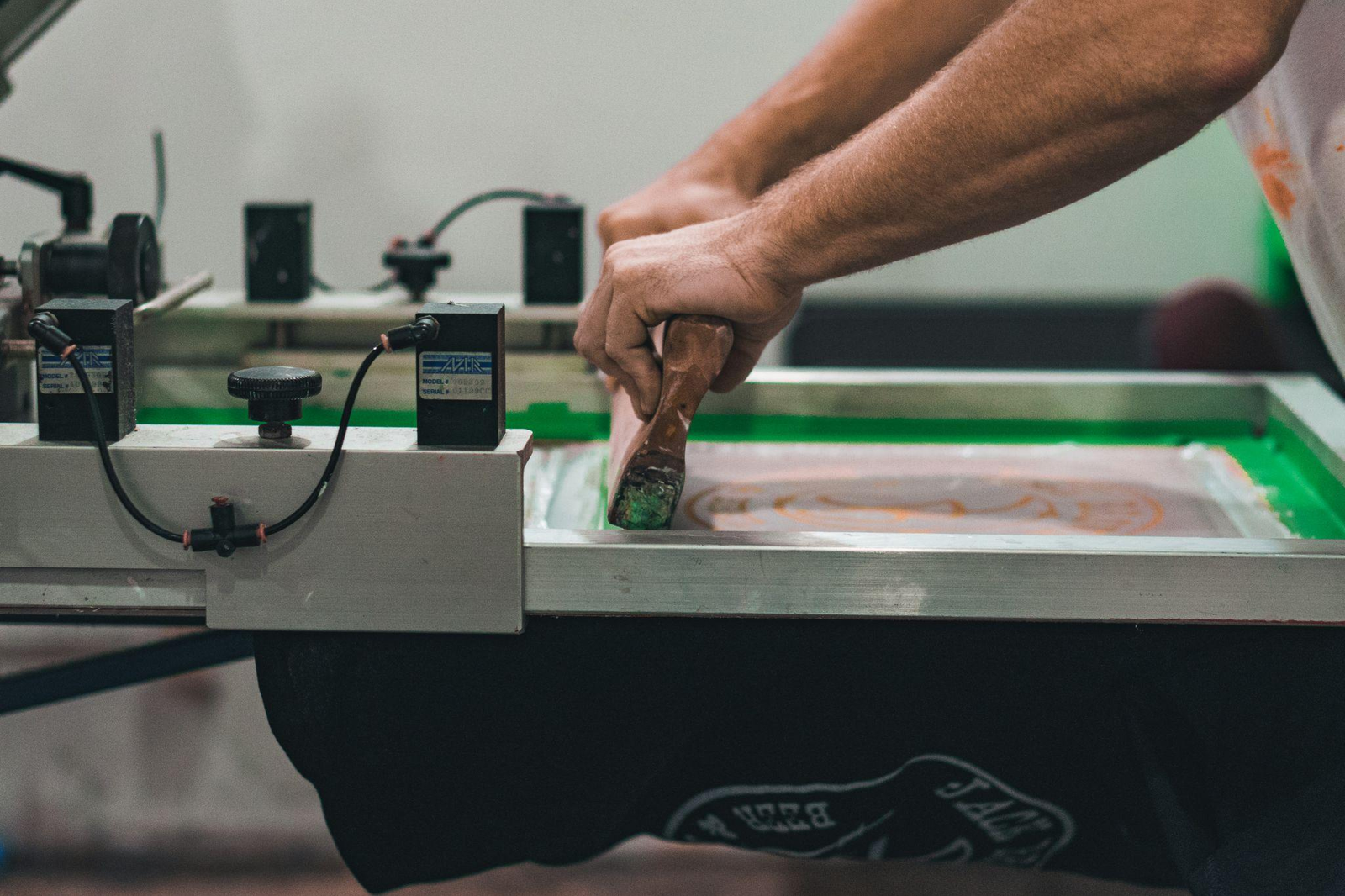
The process uses a mesh screen to transfer ink onto a surface. A stencil blocks certain areas of the mesh while leaving the design area open. When ink is pulled across the screen with a squeegee, it passes through the open sections and creates the image.
This simple principle is the foundation of everything from basic T-shirt printing to more advanced production work.
Learning terms such as screen mesh count, stencil, emulsion, squeegee, and curing temperature can also make tutorials and product instructions much easier to understand.
Choose the Right Screen Printing Supplies
Once you understand the process, you can start thinking about your equipment.
A basic setup may include:
- Screen printing screens
- Squeegees
- Screen printing ink
- Photo emulsion
- Emulsion remover
- Exposure equipment
- Transparency film
- Screen cleaning supplies
- A method for curing the finished print
You do not necessarily need a large professional setup to begin. Many beginners start with a small workspace and gradually add equipment as their skills and printing needs grow.
The important thing is choosing supplies that work together rather than purchasing equipment simply because it looks professional.
Learn How Silk Screen Stencils Work
The stencil is one of the most important parts of the process because it determines where the ink will go.
Silk screen stencils are traditionally associated with screen printing, although modern screens commonly use synthetic mesh rather than actual silk. Creating a stencil generally involves coating the screen with photo emulsion, allowing it to dry, exposing the design, and washing out the appropriate areas.
Getting this stage right takes practice. Poor exposure, incorrect emulsion coating, or an unsuitable transparency can result in missing details, blocked areas, or weak edges.
That is why learning how exposure time, mesh count, and emulsion thickness interact can make a noticeable difference in print quality.
Practice With Simple Designs
Your first project does not need to be complicated.
Simple one-color designs are often a good way to learn how ink behaves, how much pressure to use with a squeegee, and how to position a garment correctly.
Pay attention to the amount of ink on the screen and the angle of your squeegee. Too much pressure or too many passes can affect the appearance of the print.
Once you become comfortable with a basic design, you can experiment with more detailed artwork, multiple colors, halftones, and different garment materials.
Understand Ink and Curing
Choosing the right ink is another important part of learning screen printing.
Plastisol ink is widely used for apparel because of its durability and vibrant results. Water-based inks offer a different feel and can produce soft prints when used correctly.
Regardless of the ink you choose, curing is essential. The print needs to reach the appropriate curing conditions so that it bonds properly with the fabric.
A print that looks perfect immediately after printing may still fail later if it has not been cured correctly. Understanding your ink manufacturer’s recommended curing requirements is therefore an important part of developing good printing habits.
Explore Different Printing Methods
Screen printing is not the only decoration method available today. As your knowledge grows, it can be useful to understand how different technologies compare.
For example, DTF printing uses a different process in which designs are printed onto specialized film before being transferred onto garments with heat and pressure. It can be useful for detailed artwork, smaller orders, and designs containing multiple colors.
Understanding the differences between screen printing and DTF can help you determine which process makes sense for a particular project.
Improve Your Skills Through Education
The fastest way to become more confident is not simply buying more equipment. It is learning why each step matters.
Explore topics such as screen preparation, artwork separation, halftone printing, ink selection, registration, curing, and screen reclaiming. Small improvements in each area can make your finished prints more consistent.
Screen Print Direct also offers an educational pricing program, giving eligible educational users an opportunity to access printing supplies while supporting hands-on learning.
For students, educators, and developing printers, practical experience can turn technical information into skills that are much easier to remember.
Move From Practice to Production
After completing several projects, you will begin to notice which parts of your workflow need improvement.
Maybe your prints need better registration. Perhaps your stencil requires more consistent exposure. You may discover that your curing process needs adjustment or that a different mesh count works better for detailed artwork.
This is where screen printing becomes more than simply putting ink onto a shirt. You begin developing a repeatable process.
Keep notes about exposure times, mesh counts, ink combinations, curing settings, and results. Those records can save time when you recreate a successful print later.
Keep Learning as Your Skills Grow
Screen printing is a craft where there is always something new to learn. A beginner may start with a single-color T-shirt, while an experienced printer may eventually work with complex artwork, specialty inks, large production runs, and advanced printing techniques.
The best approach is to build your knowledge gradually. Understand the fundamentals, practice regularly, learn from mistakes, and introduce new techniques when you are ready.
With the right education, reliable supplies, and hands-on practice, the screen printing process becomes much less intimidating. Screen Print Direct can be a useful starting point for exploring screen printing techniques, equipment, supplies, and educational resources as you develop your skills.