Introduction
Sammying is an important process in leather manufacturing that helps remove excess moisture from animal hides and skins after tanning. Although the term is unfamiliar to many people, it describes a practical operation that improves leather handling, supports consistent processing, and prepares the material for subsequent manufacturing stages. From footwear and handbags to furniture upholstery and leather accessories, the quality of finished leather depends partly on how effectively moisture is controlled during production.
Understanding sammying requires looking at its meaning, historical background, equipment, working principles, benefits, limitations, and place in the wider leather-making process. It is also important to distinguish sammying from complete drying because the two operations serve different purposes.
The term has an older connection with moistening leather, while its modern industrial use commonly refers to mechanically squeezing excess water from wet leather. This difference in historical and contemporary usage explains why definitions can sometimes appear inconsistent. In modern tannery operations, sammying is primarily understood as a controlled dewatering process that helps prepare leather for further treatment.
Quick Information Table
| Information | Details |
|---|---|
| Main keyword | Sammying |
| Industry | Leather manufacturing and processing |
| Basic meaning | Mechanical removal of excess water from wet leather |
| Materials processed | Animal hides and skins |
| Common equipment | Sammying machine with pressure rollers |
| Alternative spelling | Samming |
| Main purpose | Moisture reduction and improved workability |
| Typical position | After tanning or another wet-processing stage |
| Related operations | Splitting, shaving, setting out, and drying |
| Main benefits | Better handling, moisture control, and process consistency |
| Final drying required | Yes, when specified by the production process |
| Primary users | Tannery operators, leather manufacturers, and quality-control teams |
What Is Sammying?
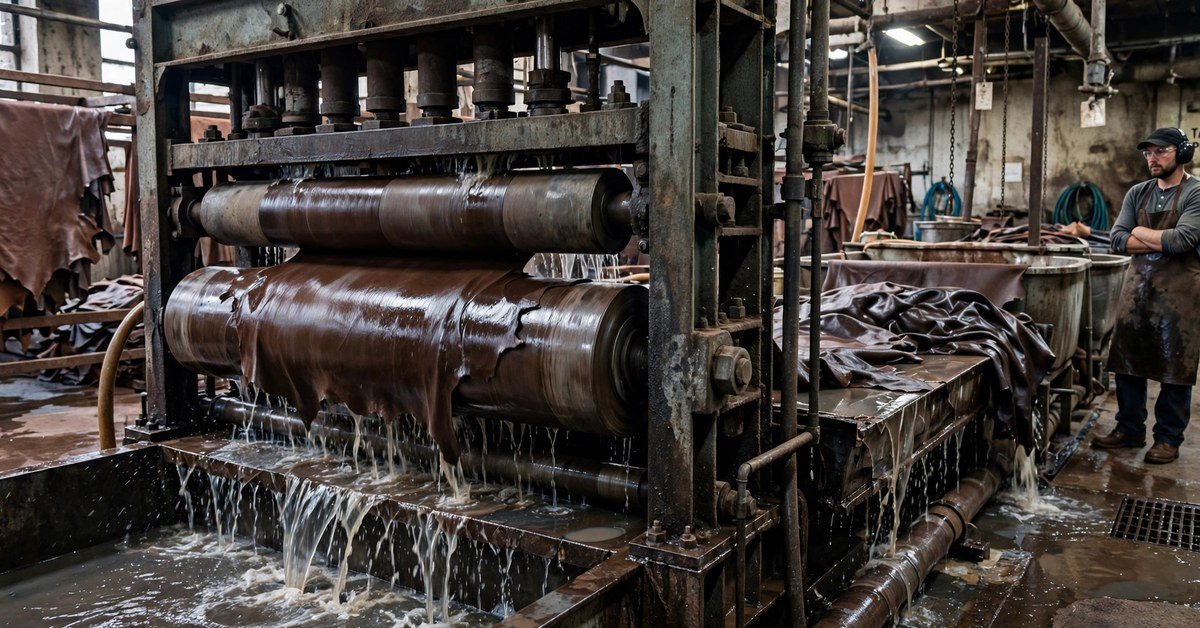
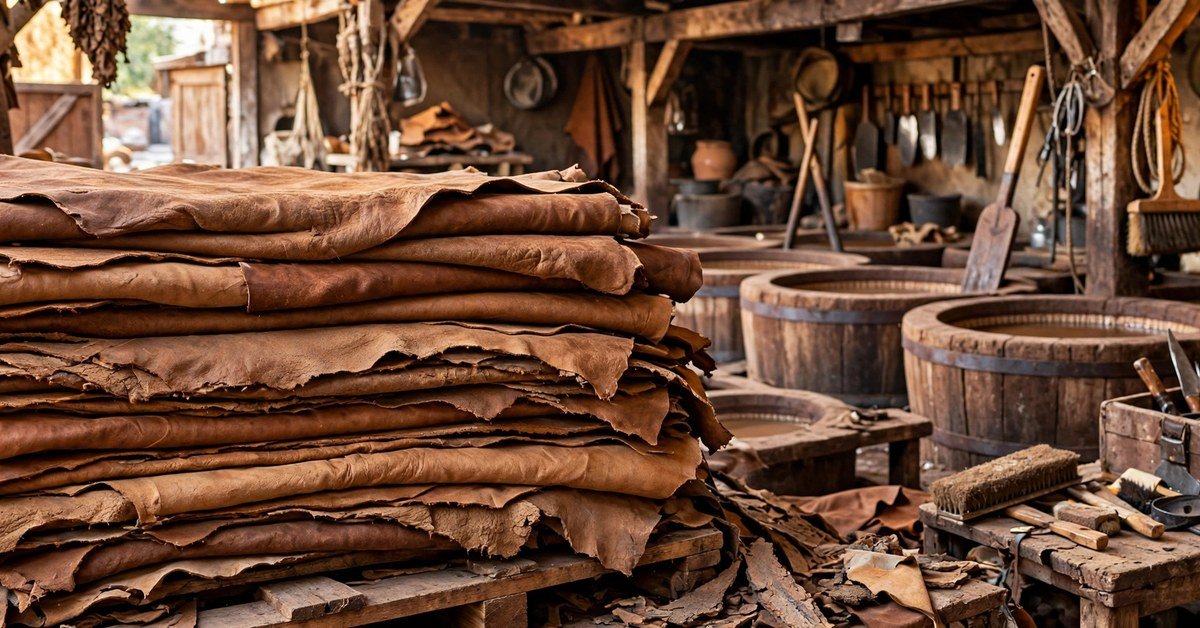
Sammying is a mechanical leather-processing operation in which excess water is squeezed out of wet hides or skins. It is generally performed after tanning, when the material contains substantial moisture and needs to be prepared for the next stage of production.
During tanning, hides undergo treatments that help convert raw animal skin into durable leather. Water and processing liquids remain within the material after these treatments. Sammying reduces this excess liquid through controlled mechanical pressure, making the leather easier to handle and process.
The operation is not intended to make leather completely dry. Instead, it brings the material into a more suitable condition for subsequent manufacturing activities.
The Basic Principle Behind Sammying
The fundamental principle is mechanical dewatering. Wet leather passes through a machine that applies pressure, usually through rollers. This pressure forces liquid out of the material, and the removed water is collected or directed into the tannery's drainage and wastewater-management system.
The effectiveness of the operation depends on several factors, including the incoming moisture level, leather thickness, machine settings, roller condition, feed speed, and characteristics of the material being processed.
Different hides may respond differently to the same machine settings. Consequently, professional operators must balance moisture removal with the need to preserve the leather's physical quality.
History and Background of Sammying
Traditional Leather Moisture Management
Leather manufacturing has developed over centuries, with craftspeople learning to control moisture through soaking, washing, tanning, stretching, and drying. The amount of moisture in a hide affects its flexibility, structure, and suitability for further work. Managing that moisture has therefore long been an essential part of leather production.
The historical verb sammy was associated with moistening leather before certain working operations or making rough-tanned leather evenly moist. This older meaning differs from the principal modern industrial meaning of removing excess water.
Development of Mechanical Sammying
As leather production became increasingly mechanized, specialized equipment made it possible to remove excess water more consistently than manual handling alone. Pressure-based machinery helped tanneries process larger quantities of leather while improving control over production conditions.
Modern sammying machines are designed to handle wet hides or skins using controlled pressure and material-feed systems. Some machines also incorporate setting-out functions, which spread the leather and reduce creases while removing moisture.
The underlying objective remains straightforward: prepare wet leather for the next production stage without causing unnecessary damage.
How the Meaning Is Used Today
In contemporary tannery terminology, sammying generally refers to mechanical water removal. The word may appear in manufacturing documentation, machinery specifications, vocational training materials, and leather-processing descriptions.
The alternative spelling samming is also used. When interpreting older craft literature, however, readers should consider the surrounding context because the historical meaning can refer to adding or distributing moisture rather than removing it.
How Does the Sammying Process Work?
Sammying follows a series of practical steps designed to reduce excess moisture while maintaining the leather's quality and suitability for further processing.
1. Preparing the Wet Leather
The process begins with hides or skins that have completed the relevant tanning or wet-processing stage. Before entering the machine, the material may be inspected for folds, uneven positioning, or other conditions that could interfere with consistent processing.
Operators also confirm that the machine is appropriate for the type and dimensions of leather being handled.
2. Feeding the Material into the Machine
The wet leather is fed through the machine's working area. Proper alignment is important because uneven feeding can cause inconsistent pressure, uneven moisture removal, or unwanted creases.
The operator must follow the equipment manufacturer's loading and safety procedures throughout this stage.
3. Applying Mechanical Pressure
The leather passes between pressure rollers, which squeeze excess liquid out of the material. Depending on the machine design, rollers may work with specialized felt coverings that help absorb and carry away the expelled water.
The pressure must be suitable for the leather being processed. Excessive or poorly controlled pressure can contribute to damage, while insufficient pressure may leave more moisture than desired.
4. Collecting and Managing the Removed Water
Water expelled during sammying must be collected and managed appropriately. Because the liquid originates from tannery processing, its composition depends on the preceding production stages.
Wastewater should be handled according to the facility's treatment procedures and applicable environmental requirements rather than being released without appropriate controls.
5. Inspecting the Processed Leather
After leaving the machine, the leather may be checked for moisture consistency, surface condition, creasing, and suitability for the next operation.
If the result does not meet production requirements, operators may need to review machine settings, material alignment, or equipment condition.
Types of Sammying Machines
Sammying equipment varies according to production requirements, leather characteristics, and the operations performed alongside dewatering.
Conventional Sammying Machines
Conventional machines focus primarily on removing excess water from wet hides and skins. They use pressure rollers to reduce moisture and prepare the material for subsequent processing.
These machines are useful when a tannery needs a dedicated dewatering operation that can be adjusted to suit its production requirements.
Sammying and Setting-Out Machines
Combined machines perform sammying alongside setting out. In addition to removing excess water, setting out spreads the leather and helps reduce wrinkles or creases.
Combining the operations can reduce the number of separate processing steps and improve workflow efficiency. However, the suitability of a combined machine depends on the leather type, production sequence, and required quality standards.
Industrial High-Capacity Machines
Larger industrial machines are designed for production environments that process substantial quantities of leather. Their selection depends on factors such as working width, throughput, material dimensions, available space, and maintenance requirements.
A higher-capacity machine is not automatically the best choice. Consistent results, operator safety, reliability, and compatibility with existing production equipment are equally important.
Key Benefits of Sammying
Sammying provides several practical benefits when the equipment is correctly operated and maintained.
Improved Moisture Control
One of the primary advantages is the controlled reduction of excess water. Bringing leather into a more suitable moisture condition helps prepare it for subsequent mechanical and finishing operations.
The appropriate moisture level depends on the leather type and the next production stage. There is no single target that applies to every tannery process.
Better Handling and Processing
Highly saturated leather can be heavy and difficult to handle. Mechanical dewatering reduces the amount of liquid carried by the material, making subsequent handling more manageable.
This can also help improve the consistency of operations that require leather to be positioned, measured, split, shaved, or spread.
Greater Production Efficiency
Mechanical water removal can reduce the burden of handling excess liquid and support a more organized production sequence.
When sammying is integrated effectively into the manufacturing workflow, it can help minimize unnecessary handling between operations. Actual productivity improvements depend on machine capacity, maintenance, operator skill, and the broader factory layout.
Support for Consistent Leather Quality
Uniform moisture conditions can help downstream operations perform more predictably. Variations in moisture may influence how leather responds to mechanical treatment, so controlling this variable supports overall process management.
However, sammying alone cannot guarantee finished leather quality. Tanning chemistry, raw-hide condition, equipment settings, operator technique, and later finishing processes also play important roles.
Potential Improvements in Resource Management
Mechanical dewatering removes liquid before further moisture-reduction stages. This can support more efficient handling of water and may reduce the load placed on later drying operations.
The actual energy or cost savings depend on the entire production system. Sammying should therefore be viewed as one component of resource efficiency rather than a guarantee of lower manufacturing costs.
Sammying vs. Drying: Understanding the Difference
Sammying and drying are related but distinct processes. Confusing them can lead to an incomplete understanding of leather manufacturing.
| Feature | Sammying | Drying |
|---|---|---|
| Main purpose | Remove excess liquid mechanically | Reduce moisture further to the required level |
| Primary method | Pressure and squeezing | Methods such as air drying, vacuum drying, or controlled drying systems |
| Material condition afterward | Usually still damp | Depends on the required final moisture condition |
| Position in production | Commonly after tanning or wet processing | Often follows dewatering and other preparation steps |
| Main benefit | Makes wet leather more manageable | Prepares leather for subsequent finishing, conditioning, or storage |
Why the Difference Matters
Sammying prepares the leather; drying reduces its remaining moisture further. Both must be appropriate for the material and intended product.
Treating sammying as a substitute for drying would overlook the need to achieve the moisture condition required by the later manufacturing stages.
Sammying Compared With Other Leather-Processing Operations
To understand the role of sammying, it helps to distinguish it from related operations.
Sammying and Splitting
Splitting divides leather horizontally into layers to achieve the required thickness or produce different leather sections. Sammying, by contrast, focuses on removing excess water.
In production routes where splitting follows sammying, dewatering helps prepare the material for the mechanical operation.
Sammying and Shaving
Shaving refines leather thickness by removing material from the flesh side. Its objective is dimensional consistency, not simply moisture reduction.
Suitable preparation before shaving helps the material enter the next operation in an appropriate condition.
Sammying and Setting Out
Setting out spreads and smooths leather while helping reduce wrinkles. Sammying primarily removes excess water. Since the two operations complement each other, some machines combine them.
Sammying and Tanning
Tanning is the chemical process that transforms raw hides or skins into leather with greater resistance to deterioration. Sammying is a mechanical operation that commonly takes place after tanning or another relevant wet-processing stage.
The two operations serve different purposes but are connected within the overall production sequence.
Factors That Affect Sammying Quality
Consistent results depend on more than applying pressure. Several operational factors influence the outcome.
Leather Type and Thickness
Different types of leather vary in thickness, structure, and response to pressure. Settings suitable for one material may not produce the same results with another.
Operators should use procedures appropriate to the specific leather and machine.
Roller Pressure and Condition
Roller pressure affects the amount of liquid removed and the stress placed on the leather. Worn, damaged, or poorly aligned rollers can contribute to inconsistent results.
Regular inspection and adjustment help maintain reliable operation.
Feed Speed and Material Alignment
The speed at which leather passes through the machine affects the interaction between the material and the rollers. Poor alignment or inconsistent feeding can produce uneven processing.
Maintaining appropriate feed conditions is therefore an important part of quality control.
Felt Condition and Maintenance
Where felt-covered rollers are used, the condition of the felt can affect moisture handling and operating consistency. Accumulated contamination, wear, or inadequate maintenance may reduce performance.
A planned maintenance schedule should cover relevant working surfaces, moving components, safety devices, and drainage arrangements.
Common Sammying Problems and Their Solutions
Uneven Moisture Removal
Uneven dewatering may result from inconsistent feeding, unsuitable machine settings, uneven pressure, or differences in the incoming leather.
Possible solution: Check alignment, inspect roller condition, and review the operating settings for the particular material.
Creases and Surface Defects
Creasing may occur when leather enters the machine incorrectly or is not spread appropriately during processing.
Possible solution: Review feeding technique and material positioning. Where suitable, a combined sammying-and-setting-out machine may help address spreading requirements.
Excessive or Insufficient Pressure
Too much pressure may damage the material, while too little may leave excess water behind.
Possible solution: Follow validated operating procedures and adjust settings according to the leather type, machine specifications, and required result.
Machine Wear and Unexpected Downtime
Inadequate maintenance can reduce performance and create production interruptions.
Possible solution: Inspect rollers, felt coverings where fitted, moving parts, and safety systems according to the manufacturer's maintenance recommendations.
Safety and Environmental Considerations
Sammying involves heavy materials, powered rollers, and potentially hazardous moving components. Safe operation is essential.
Important precautions include:
Use machine guards and safety devices as designed.
Train operators in correct feeding, operation, and emergency procedures.
Never bypass protective equipment or reach into moving machinery.
Isolate equipment appropriately before maintenance or clearing a blockage.
Keep the work area clean and manage wet floors to reduce slip risks.
Collect and treat process water according to the tannery's environmental controls.
Environmental management is particularly relevant because wastewater from leather production may contain chemicals or other contaminants from preceding treatments. Appropriate collection, treatment, and monitoring help reduce environmental risks and support regulatory compliance.
Modern Developments and the Future of Sammying
The core principle of sammying remains mechanical moisture removal, but modern manufacturing places increasing emphasis on consistency, productivity, worker safety, and resource efficiency.
Process Monitoring and Automation
Automation can help manufacturers control feed speed, coordinate equipment, and maintain repeatable operating conditions. Where suitable sensors and monitoring systems are available, process data can also help identify deviations before they lead to larger quality problems.
The benefits depend on the equipment installed and how effectively monitoring is integrated into production.
Improved Equipment Integration
Combining dewatering and setting-out functions can reduce material handling and simplify certain production sequences. Tannery managers may evaluate these machines when upgrading existing facilities or planning new production lines.
However, equipment selection should account for the leather being processed, maintenance needs, available space, and required throughput.
Greater Attention to Resource Efficiency
Water use, energy consumption, and wastewater management remain important considerations for leather manufacturers. Better coordination between sammying, drying, and wastewater treatment can support more efficient factory operations.
There is no single modern technology or machine configuration that is optimal for every tannery. Improvements should be assessed through measured performance, product quality, safety, and operating costs.
Frequently Asked Questions About Sammying
What does sammying mean in simple terms?
Sammying is the process of mechanically squeezing excess water out of wet leather so it is easier to handle and prepare for further manufacturing.
Is sammying necessary in leather production?
Its use depends on the production method and material. In many conventional tannery workflows, it is an important dewatering step that prepares leather for subsequent operations.
Does sammying completely dry leather?
No. Sammying removes excess liquid mechanically, but the leather generally remains damp and may require additional drying.
What is the purpose of a sammying machine?
A sammying machine applies controlled pressure, usually through rollers, to remove water from wet hides or skins. Some machines also perform setting out.
What is the difference between sammying and samming?
Both spellings are used for the leather-processing operation. The preferred spelling may vary between technical documents and manufacturers.
What happens after sammying?
The next step depends on the manufacturing sequence. Leather may undergo splitting, shaving, setting out, additional wet processing, or drying as appropriate.
Can sammying affect the final quality of leather?
Yes. Uneven dewatering, unsuitable pressure, and poor machine condition can affect consistency and surface quality. Nevertheless, final quality depends on the complete production process rather than sammying alone.
Conclusion
Sammying is a significant mechanical operation in leather manufacturing that removes excess water from wet hides and skins. By controlling moisture and improving workability, it prepares leather for subsequent processes such as splitting, shaving, setting out, and drying.
Its effectiveness depends on suitable machinery, appropriate pressure, consistent feeding, regular maintenance, operator training, and careful quality control. Modern equipment and process monitoring can support improvements in efficiency and consistency, although the best approach varies with the material and production requirements.
Understanding sammying also means recognizing its distinction from drying and its place within the wider leather-making process. Although it is a specialized technical term, its purpose is straightforward: to bring wet leather into a more manageable condition so the next manufacturing stages can proceed effectively.