
Root canal cost is the total amount a patient may pay for endodontic treatment that removes infected or damaged pulp from inside a tooth, cleans and disinfects the root canals, and seals the tooth to prevent further infection. The final price can vary considerably depending on the affected tooth, the complexity of the canals, the dentist's experience, the clinic's location, diagnostic imaging, medicines, and whether a dental crown is required after treatment.
Many patients are surprised to learn that a root canal is not a single fixed-price procedure. A front tooth with one straight canal is usually less complex than a molar with several curved canals. The total bill may also include the consultation, X-rays, local anaesthesia, temporary filling, permanent restoration, and follow-up visits. Understanding how the cost is calculated can help patients compare treatment estimates and avoid unexpected expenses.

Root Canal Cost Quick Information Table
| Detail | Information |
|---|---|
| Procedure | Root canal treatment, also called endodontic therapy |
| Purpose | To remove infected or inflamed tooth pulp and preserve the natural tooth |
| Average cost without insurance | Approximately $700 to $1,800 or more per tooth, depending on the tooth and complexity |
| Front tooth | Often approximately $700 to $1,100 |
| Premolar | Often approximately $800 to $1,300 |
| Molar | Often approximately $1,100 to $1,800 or more |
| Dental crown | Commonly an additional $800 to $3,000 or more per tooth |
| Typical treatment time | Approximately 60 to 90 minutes per appointment |
| Number of visits | Commonly one to three visits |
| Insurance coverage | Often 50% to 80% after the deductible, depending on the dental plan |
| Main cost factors | Tooth type, root anatomy, infection severity, provider, location, imaging, and restoration |
| Price basis | Typical United States dental fee ranges in 2026; actual prices vary by provider and region |
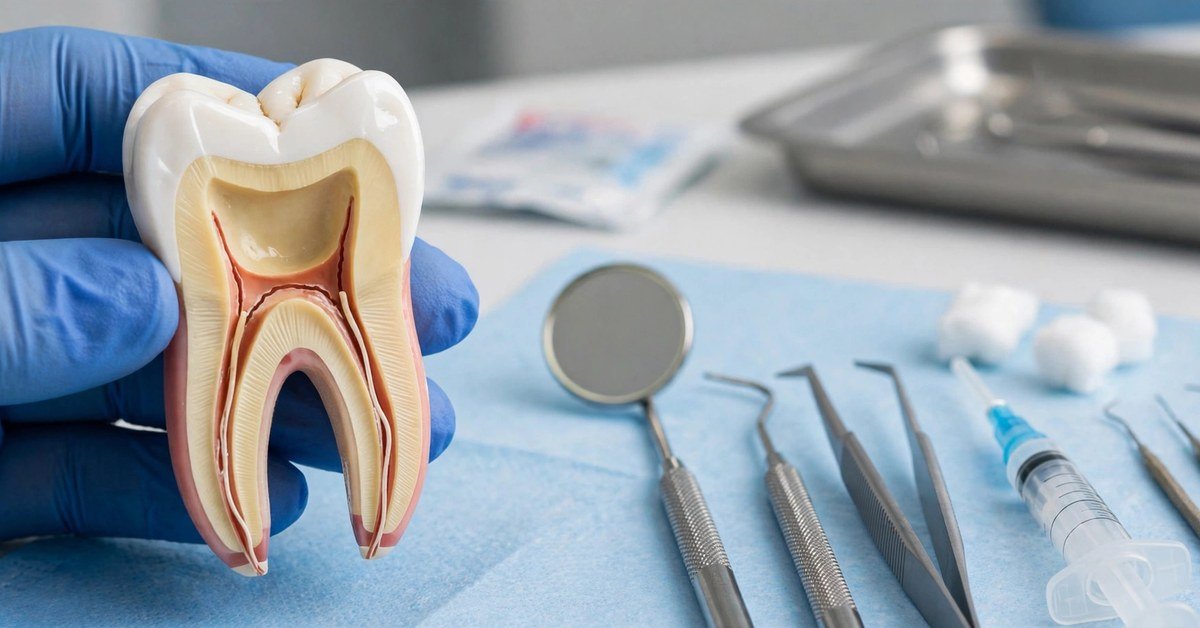
What Is a Root Canal?
A root canal is a dental procedure used to treat infection, inflammation, or severe damage inside a tooth. The centre of the tooth contains pulp, a soft tissue made up of nerves, blood vessels, and connective tissue. When bacteria enter the pulp through deep decay, a crack, trauma, or repeated dental work, the tissue can become inflamed or infected.
During treatment, the dentist or endodontist removes the damaged pulp, cleans and shapes the inside of the tooth, disinfects the root canals, and fills them with a suitable material. The opening is then sealed, and the tooth may be restored with a filling or crown.
A root canal does not remove the tooth itself. Its goal is to eliminate pain and infection while preserving the natural tooth structure.
Why a Root Canal May Be Needed
A dentist may recommend root canal treatment when the pulp cannot recover or when infection threatens the surrounding bone and tissues.
Common reasons include:
• Deep tooth decay • A cracked or chipped tooth • Severe tooth pain • An abscess or swelling • Trauma or injury to the tooth • Repeated procedures on the same tooth • Sensitivity that continues after hot or cold substances are removed • Darkening or discoloration of the tooth
Not every painful tooth requires a root canal. A dentist must examine the tooth and review diagnostic images before confirming the appropriate treatment.
Average Root Canal Cost
The average root canal cost in the United States generally ranges from about $700 to $1,800 or more for the root canal procedure itself. The total treatment cost may be significantly higher when a crown, post, core build-up, additional X-rays, or specialist care is needed.
Front teeth are normally less expensive because they usually have one root canal. Premolars may have one or two canals, while molars can have three or more. The greater the number of canals and the more difficult they are to access, the more time and expertise the procedure may require.
Estimated Cost by Tooth Type
| Tooth type | Typical cost without insurance | Typical cost with insurance |
|---|---|---|
| Front tooth/incisor | $700–$1,100 | $300–$800 |
| Premolar/bicuspid | $800–$1,300 | $1,100–$1,800 or more |
These estimates generally refer to the endodontic procedure only. They do not automatically include the dental crown or other restorative work.
Patients should remember that dental fees vary widely. A clinic in a major metropolitan area may charge more than a practice in a smaller community, and an endodontist may charge more than a general dentist. Online averages should be used as a general guide rather than a guaranteed quotation.
Root Canal Cost Breakdown
A treatment estimate may contain several separate charges. Reviewing each item can help patients understand what they are paying for.
1. Consultation and Examination
The dentist examines the tooth, discusses the symptoms, and determines whether root canal treatment is appropriate. An initial consultation may cost approximately $50 to $200, although some practices include the examination in another service or apply the fee toward treatment.
2. Dental X-Rays and Imaging
Standard X-rays help the dentist see the roots, surrounding bone, and extent of infection. A periapical X-ray may cost roughly $25 to $50, while a three-dimensional CBCT scan, when needed, may cost approximately $150 to $400 or more. Not every root canal requires CBCT imaging.
3. Root Canal Procedure
This is the main treatment fee. It covers pulp removal, canal cleaning and shaping, disinfection, filling, and sealing. The price depends mainly on the tooth and the complexity of its root system.
4. Temporary or Permanent Filling
After the canals are sealed, the access opening must be closed. A temporary filling may be used if the final restoration will be completed later. In other cases, a permanent filling or core build-up is placed during the same treatment process.
5. Dental Crown
A crown is often recommended for a treated back tooth because the tooth may become weaker and more vulnerable to fracture. The crown is usually billed separately and can add approximately $800 to $3,000 or more, depending on its material and the dental laboratory involved.
6. Medicines and Follow-Up
Antibiotics may be prescribed when there is an active infection or swelling, although they do not replace the need for dental treatment. Pain relievers, additional examinations, and follow-up X-rays may also affect the final cost.
Factors That Affect Root Canal Cost
Several important factors can increase or decrease the price of treatment.
1. Tooth Location and Complexity
Molars are located at the back of the mouth and usually have multiple roots and canals. Their position makes them harder to reach, and their canals may be narrow, curved, or calcified. Front teeth are generally simpler and therefore less expensive.
2. Severity of Infection
A severe or long-standing infection may require additional cleaning, medication inside the tooth, or multiple appointments. Retreatment of a previously treated tooth can also be more complicated than first-time therapy.
3. Dentist or Endodontist
An endodontist is a specialist in root canal treatment. Specialist fees may be higher, but a specialist may be preferable for molars, retreatment, unusual anatomy, or complex infections.
4. Geographic Location
Dental costs are influenced by rent, staff wages, laboratory fees, insurance participation, and local market conditions. Practices in large cities and high-cost regions generally charge more than those in smaller towns.
5. Imaging and Technology
Operating microscopes, digital imaging, rotary instruments, and CBCT scans can improve diagnosis and treatment precision, but advanced technology may be reflected in the fee.
6. Restoration Required
The root canal itself is only one part of treatment. A crown, post, or core build-up can substantially increase the total amount payable.
7. Emergency Treatment
An emergency appointment, after-hours care, or urgent pain relief may involve an additional charge. Patients should ask whether an emergency fee is included in their estimate.
Root Canal Cost by Location and Provider
Prices can differ substantially between providers even within the same city. General dentists may perform straightforward root canals, while endodontists commonly handle more difficult cases.
Large metropolitan practices often have higher operating costs, but higher prices do not automatically mean better treatment. Patients should consider the provider's experience, diagnostic process, explanation of options, infection-control standards, and the clarity of the written estimate.
Some patients consider dental schools or community clinics. Dental schools may offer lower fees because treatment is provided by supervised students or residents. However, appointments can take longer, and availability may be limited.
How Dental Insurance Affects the Cost
Dental insurance can significantly reduce the amount a patient pays for root canal treatment, but coverage depends on the individual plan.
What Insurance Commonly Covers
Many dental plans classify root canal treatment as a major restorative service or, in some cases, a basic service depending on the tooth and policy. After the patient meets the deductible, insurance may cover approximately 50% to 80% of the allowed amount.
The patient's remaining responsibility may include:
• The annual deductible • Coinsurance • Amounts above the plan's allowed fee • Treatment that exceeds the annual maximum • Fees for services excluded by the policy
Annual Maximums and Waiting Periods
Many plans have an annual maximum, commonly around $1,000 to $2,000. If the root canal and crown together exceed the remaining maximum, the patient may have to pay the rest personally.
Some plans also impose waiting periods for major treatment. A patient who has recently purchased an individual dental policy should confirm whether root canal treatment is covered immediately.
Root Canal vs. Other Dental Treatments
A root canal is often compared with tooth extraction because both can address severe pain or infection. However, the treatments have different long-term consequences.
| Treatment | Typical cost | Main consideration |
|---|---|---|
| Root canal and crown | $1,500–$4,500 or more | Preserves the natural tooth but requires restoration |
| Extraction only | $150–$650 for a simple extraction | Removes the tooth but leaves a gap |
| Extraction and dental implant | $3,000–$6,000 or more | Replaces the tooth but involves a longer process |
| Extraction and bridge | $2,000–$5,000 | Uses neighbouring teeth for support |
Although extraction may appear less expensive initially, replacing the missing tooth can make the long-term cost higher. Preserving the natural tooth through root canal treatment may therefore be more economical and functional for many patients.
How Long Does a Root Canal Take?
Most root canal procedures take approximately 60 to 90 minutes, but treatment may be completed over one to three visits. A straightforward front tooth may be finished in one appointment. A molar, severe infection, or retreatment may require additional time.
A typical procedure includes the following stages:
1. Examination and X-Rays
The dentist evaluates the tooth, reviews images, and confirms the diagnosis.
2. Local Anaesthesia
The area around the tooth is numbed so the patient remains comfortable.
3. Isolation and Access
A dental dam may be placed around the tooth, and a small opening is created to reach the pulp chamber.
4. Cleaning and Shaping
The infected pulp is removed, and the canals are cleaned, shaped, and disinfected.
5. Filling and Sealing
The cleaned canals are filled and sealed to reduce the risk of reinfection.
6. Restoration
A temporary or permanent filling is placed. A crown may be fitted later, especially for a back tooth.
Preparing for a Root Canal
Patients can reduce stress and avoid confusion by preparing before the appointment.
Before treatment, ask the dental office for an itemized estimate that separates the root canal, imaging, filling, post, and crown. Confirm how much insurance is expected to pay and how much will remain as the patient's responsibility.
Patients should also inform the dentist about allergies, medicines, medical conditions, and previous reactions to anaesthesia. If antibiotics or pain relievers have been prescribed, they should be taken exactly as directed.
It is normally advisable to eat before the appointment if the dentist has not given contrary instructions, because the mouth may remain numb for several hours afterward.
Ways to Reduce Root Canal Cost
Patients may be able to lower the total cost without compromising essential treatment.
Compare Written Estimates
Fees vary between clinics, so it may be useful to obtain more than one estimate. The comparison should include the entire treatment, not only the root canal fee. A lower procedure price may become more expensive if the crown and imaging are separate.
Use Dental Insurance Effectively
Check whether the provider is in the insurance network, whether pre-authorization is required, and how much of the annual maximum remains. Scheduling treatment before the annual maximum resets may also help in some circumstances.
Consider a Dental Savings Plan
A dental savings or discount plan may reduce fees at participating practices. Unlike insurance, it usually does not involve an annual maximum, but patients must confirm that the treating dentist accepts the plan.
Ask About Payment Plans
Many practices offer staged payments or third-party financing. Patients should review interest, fees, and repayment terms before agreeing to financing.
Visit a Dental School
Dental schools and university clinics may offer lower-cost care under professional supervision. This option can be useful when treatment is not an emergency and the patient can accept longer appointments.
Treat the Problem Early
Delaying treatment may allow infection to spread, increase pain, damage the surrounding bone, or make the tooth impossible to save. Early treatment can prevent the need for extraction and a more expensive replacement.
Latest Root Canal Cost Updates and Price Trends in 2026
As of 2026, dental treatment prices continue to reflect rising staff costs, laboratory charges, infection-control requirements, and investment in digital imaging and specialist equipment. Fees vary by region and provider, and there is no single national fixed price for a root canal.
Digital X-rays, CBCT imaging, operating microscopes, and modern endodontic instruments are now widely used in many practices. These technologies can support more accurate treatment planning, although they may contribute to higher fees in some clinics.
Patients should rely on a current written estimate from the treating provider rather than assuming that an online price range will match their final bill.
Signs You May Need a Root Canal
A person may need endodontic treatment if they experience:
• Persistent tooth pain • Pain when biting or chewing • Prolonged sensitivity to heat or cold • A pimple-like swelling on the gum • Swollen or tender gums • A cracked, broken, or deeply decayed tooth • Tooth discoloration after injury • Pain that wakes the person during the night
Only a dental examination and appropriate imaging can confirm whether a root canal is necessary.
Risks of Delaying Root Canal Treatment
Delaying treatment for an infected tooth can lead to more serious complications. The infection may spread to the surrounding bone or soft tissues, causing increased pain, swelling, and difficulty opening the mouth. In uncommon but serious cases, a dental infection can affect broader health.
Delay may also cause the tooth structure to weaken further. If the tooth becomes non-restorable, extraction may be the only remaining option, followed by the additional cost and time required to replace it.
Conclusion
Root canal cost depends on much more than a single procedure fee. It reflects the tooth involved, the number and shape of its canals, the severity of infection, diagnostic imaging, the provider's experience, the clinic's location, and the restoration needed afterward. In the United States, patients may commonly pay approximately $700 to $1,800 or more for the root canal itself, with a crown potentially adding $800 to $3,000 or more.
Dental insurance, in-network providers, dental schools, savings plans, and early treatment can help manage the expense. The most reliable approach is to obtain an itemized written estimate, confirm insurance coverage in advance, and compare the total cost of preserving the tooth with the long-term cost of extraction and replacement.
Frequently Asked Questions
How much does a root canal cost without insurance?
Without dental insurance, a root canal commonly costs approximately $700 to $1,800 or more per tooth. Front teeth are generally at the lower end, while molars are more expensive. A crown, imaging, consultation, and other restorative services may increase the total.
How much does a root canal cost with insurance?
With insurance, the patient may pay approximately $300 to $900 or more after the plan pays its share, depending on the tooth, deductible, coinsurance, allowed fees, and remaining annual maximum. The exact amount varies by policy.
How much does a root canal cost on a front tooth?
A front tooth or incisor commonly costs approximately $700 to $1,100 without insurance. Front teeth are usually less expensive because they normally have one root canal.
How much is a root canal on a molar?
A molar root canal commonly costs approximately $1,100 to $1,800 or more without insurance. Molars have multiple roots and canals, making treatment more complex.
How much does a root canal and crown cost together?
A root canal and crown together commonly cost approximately $1,500 to $4,500 or more without insurance. The combined total depends on the tooth, crown material, laboratory fees, and additional restorative procedures.
How many visits does a root canal require?
Most root canals require one to three visits. A simple case may be completed in one appointment, while an infected molar or retreatment may require more than one visit.
Is a root canal painful?
Modern root canal treatment is performed with local anaesthesia, and most patients report that the procedure feels similar to receiving a filling. Some soreness may occur afterward, but it is usually manageable and temporary.
Can I avoid a root canal by taking antibiotics?
No. Antibiotics may temporarily reduce infection-related symptoms, but they cannot remove infected pulp from inside the tooth. Dental treatment is required to address the source of the infection.
Is it cheaper to extract a tooth than to have a root canal?
Extraction alone may cost less initially, but replacing the tooth with an implant or bridge can make the overall cost substantially higher. A root canal may be more cost-effective when the natural tooth can be preserved.