Indoor comfort depends on more than a thermostat setting. Heating equipment, cooling systems, ventilation, insulation, and airflow must work together to maintain a pleasant living environment.
When something stops working properly, choosing a qualified HVAC contractor becomes an important decision. The right professional can evaluate underlying problems, recommend appropriate improvements, and help maintain reliable system operation.
Whether planning a new installation or addressing an existing concern, homeowners benefit from understanding what experienced heating and cooling professionals actually do.
Understanding the Responsibilities of an HVAC Contractor
An HVAC contractor works with heating, ventilation, and air conditioning systems in residential and commercial properties.
Their responsibilities may include equipment installation, troubleshooting, maintenance, replacement planning, and system performance assessments.
Heating System Evaluation
Heating problems do not always originate inside the primary equipment.
Restricted airflow, faulty controls, electrical problems, and inadequate insulation may contribute to uneven temperatures.
A knowledgeable HVAC contractor considers the complete heating arrangement before recommending corrective action.
Cooling System Assessment
Cooling performance depends on refrigerant operation, heat transfer, airflow, and temperature controls.
Technicians investigate symptoms such as weak cooling, excessive cycling, unusual noises, and inconsistent indoor temperatures.
Ventilation and Airflow Improvements
Ventilation helps manage indoor air quality and moisture.
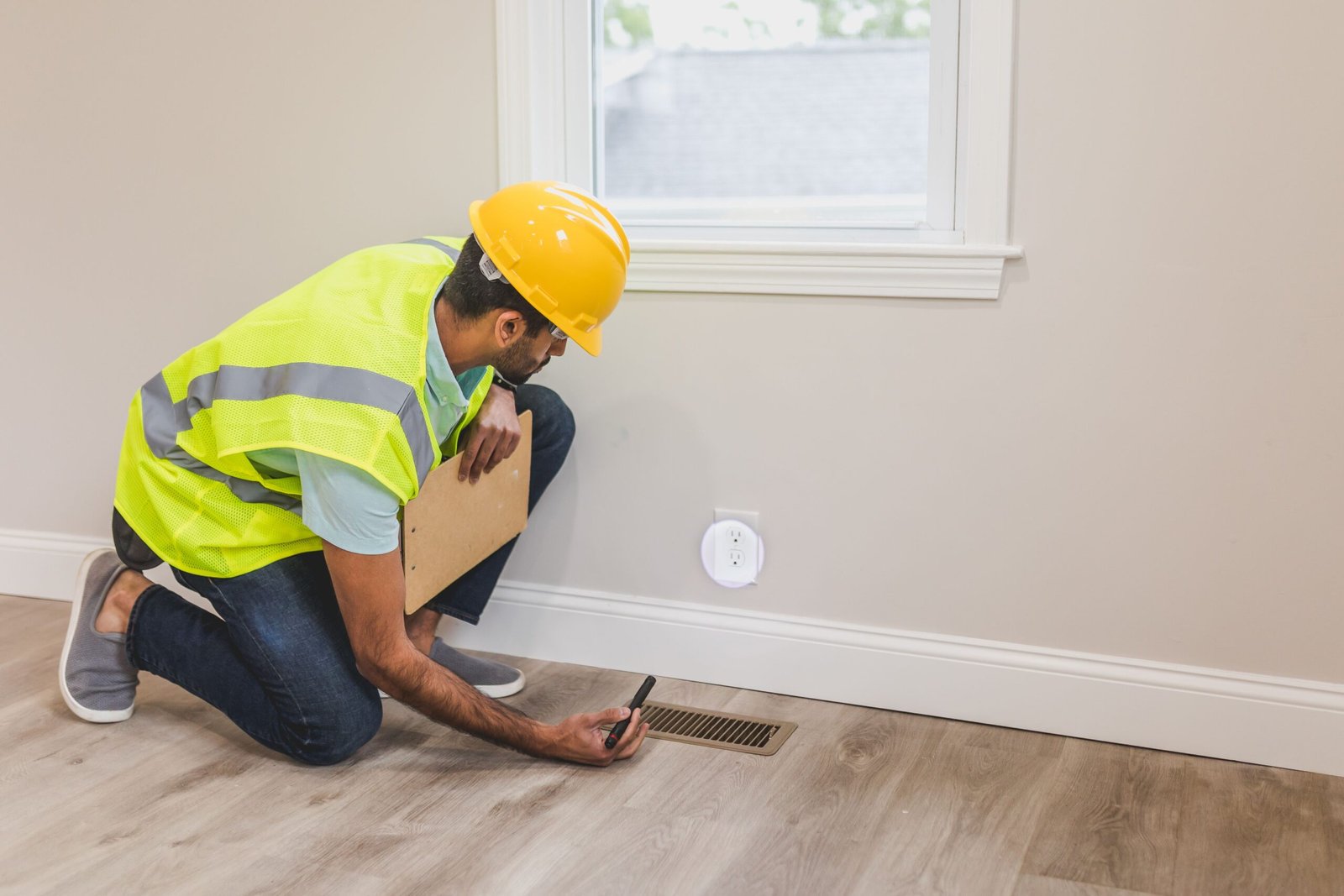
A contractor may inspect ductwork, assess airflow restrictions, and identify ventilation concerns that affect comfort.
How to Choose a Reliable HVAC Contractor
Hiring decisions should consider technical qualifications, communication, and the professional’s approach to evaluating the property.
Verify Relevant Qualifications
Heating and cooling work may involve electrical systems, refrigerants, gas equipment, and other regulated components.
Homeowners should confirm that the contractor holds the appropriate credentials for the work being performed.
Look for Thorough Assessments
A reliable professional should ask questions about the building, existing equipment, comfort concerns, and previous maintenance.
For major equipment changes, proper load calculations are more useful than assumptions based solely on floor area.
Evaluate Communication
A trustworthy HVAC contractor should explain technical findings in understandable language.
Homeowners should feel comfortable asking why a particular repair, equipment size, or system configuration is being recommended.
Questions Worth Asking Before Work Begins
What Is Causing the Problem?
Understanding the root cause helps distinguish temporary symptoms from underlying mechanical or airflow issues.
For example, uneven heating may result from duct restrictions rather than insufficient equipment capacity.
Is Replacement Necessary?
Not every malfunction requires complete equipment replacement.
The answer depends on system condition, repairability, reliability, and compatibility with current building requirements.
What Maintenance Will Be Required?
Different heating and cooling arrangements have different maintenance needs.
Understanding those requirements helps homeowners plan for dependable operation.
Warning Signs That Professional Attention Is Needed
Some comfort problems develop gradually, making them easy to overlook.
Common warning signs include:
- Uneven temperatures between rooms
- Unusual operating noises
- Frequent system shutdowns
- Weak airflow from supply registers
- Persistent indoor humidity concerns
- Unexpected changes in energy consumption
These symptoms deserve investigation rather than repeated thermostat adjustments.
Homeowners researching heating and cooling professionals in their area can use professional discussions to clarify equipment concerns and possible next steps.
Why Preventive Maintenance Matters
Regular inspections can reveal developing mechanical or electrical issues before they cause major interruptions.
Maintenance may include inspecting electrical connections, evaluating airflow, cleaning appropriate components, and checking temperature controls.
A consistent maintenance schedule also provides useful information about equipment condition over time.
Conclusion
Selecting an HVAC contractor requires attention to qualifications, technical knowledge, and clear communication. A capable professional looks beyond individual symptoms and considers how heating, cooling, ventilation, and building conditions interact. Homeowners who ask thoughtful questions, understand their equipment, and prioritize preventive maintenance are better prepared to make informed decisions. The goal is not simply to restore operation temporarily but to establish dependable indoor comfort, efficient performance, and long-term confidence in the property’s heating and cooling systems.