Finding the right home for aging parents is one of the most emotional decisions a family can make. It is never just about a safe building or good medical care. It is about dignity, community, and continuity of the values a person has lived by for a lifetime. For Jewish families, especially those living far from Israel, this search often leads to one name that keeps appearing: beit bart.
Beit bart is a senior residence in Jerusalem that combines independent living with a strong faith-based community. Run by one of Israel’s oldest and most respected non-profit organizations, it has become a trusted choice for seniors who want to age with independence while remaining deeply connected to Jewish tradition. This guide explains what beit bart is, how it works, who it suits best, and what families should know before considering it.
Quick Information
| Detail | Information |
|---|---|
| Name | Beit Bart (“Beit” means “house” in Hebrew) |
| Location | 56 Hebron Road, Baka’a neighborhood, Jerusalem, Israel |
| Type | Senior residence under the Diur Mugan (Protected Housing) model |
| Religious character | Orthodox Jewish, faith-centered community life |
| Living arrangement | Private apartments with independent daily life |
| Support | 24/7 safety net, emergency response, on-site staff |
| Payment model | Private pay |
| Best for | Independent seniors seeking community and tradition |
What Exactly Is Beit Bart?
First, it helps to clarify the name. In Hebrew, “Beit” means “house.” The second part of such a name is often a dedication to a person or family, a naming tradition common across Israel for schools, community centers, and care facilities. The authoritative Beit Bart is a real, verified senior residence at 56 Hebron Road in Jerusalem’s Baka’a neighborhood. It is not a village or an abstract concept. It is a specific place with a clear purpose.
More importantly, it operates under a model known as Diur Mugan, or Protected Housing. This is a distinctive Israeli approach to senior living that sits between complete independence and the intensive care of a nursing home. Residents live in private apartments and run their own daily lives, but they do so with the peace of mind that comes from having a round-the-clock safety net and a supportive community just outside their door. Beit Bart is not a hospital. It is a home that happens to be embedded within a caring, vibrant community.
The Diur Mugan Model: Independence With a Safety Net
The protected housing model deserves a closer look because it shapes everything about daily life. In many countries, senior living is divided into two options: staying fully on your own or moving into a nursing facility when health declines. The Israeli model fills the gap between them.
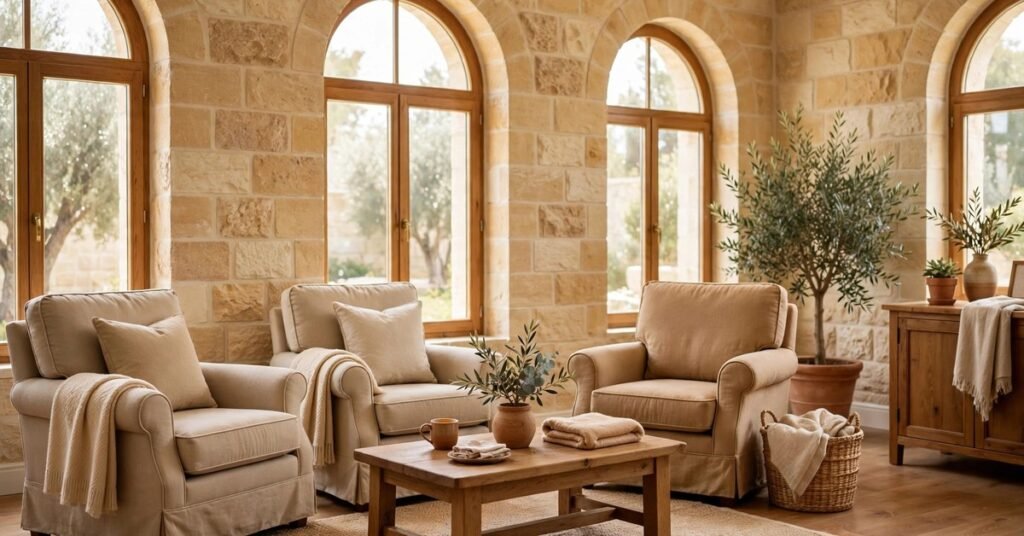
Under Diur Mugan, each resident has a private apartment and manages their own schedule, meals, and routines. There is no hospital atmosphere and no sense of being a patient. At the same time, the building provides comprehensive backup: emergency call systems, on-site staff available around the clock, and organized health monitoring. Small problems can be caught before they become serious, and help is always nearby.
This model works best for seniors who are functionally independent. They do not need help with basic daily activities. What they want is security, companionship, and an environment that reflects their values.
A Faith-Centered Community
The spiritual character of beit bart is central to its identity. Daily life is structured around Jewish observance: regular prayer services, kosher dining, and full observance of Shabbat and holidays. For residents who have lived these traditions their whole lives, this continuity is deeply meaningful. They do not need to compromise or adapt their practices. The environment is built around them.
Beyond religious life, the residence offers a full program of social and cultural activities. Shared meals, lectures, celebrations, and group outings create natural opportunities for friendship. This matters enormously, because loneliness is one of the greatest challenges of aging, especially for seniors whose children live abroad. At beit bart, community is woven into the structure of everyday life rather than treated as an afterthought.
The Baka’a Neighborhood
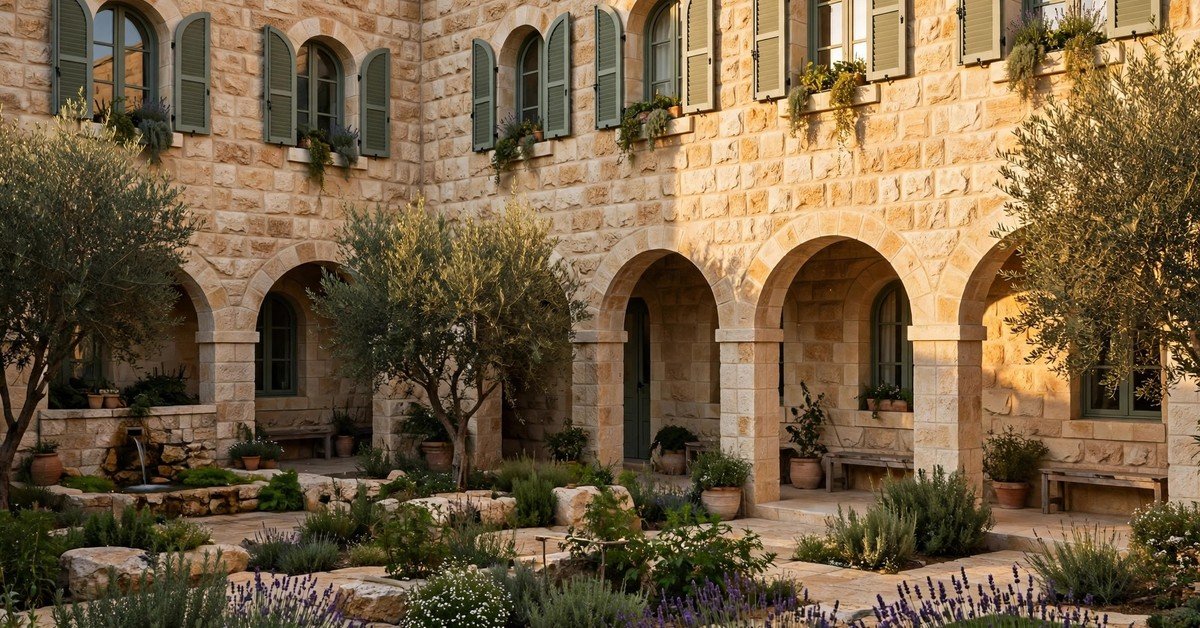
Location plays a real role in residents’ quality of life, and Baka’a is one of Jerusalem’s most beloved historic neighborhoods. Known for quiet, tree-lined streets and classic Jerusalem stone architecture, it has a peaceful, village-like feel despite being part of a major city.
For seniors, the practical benefits are significant. The neighborhood offers easy access to shops, cafes, clinics, synagogues, and public transportation. Residents can run errands, meet friends, and maintain an active lifestyle without feeling isolated. Being part of a living neighborhood, rather than a closed institution, makes an enormous difference to the sense of belonging.
Who Is Beit Bart For?
Beit bart is an excellent option, but it is designed for a specific type of resident, and families should consider the fit carefully.
It May Be the Right Choice If Your Loved One:
– Is functionally independent but would welcome a 24-hour safety net – Wants to live in an environment that fully observes Jewish practice – Desires a private apartment combined with easy access to companionship – Values the cultural and spiritual atmosphere of Jerusalem
The Diaspora Connection
One distinguishing feature is the residence’s long history of welcoming English-speaking residents and working with families living abroad. For a family on another continent trying to care for a parent in Jerusalem, a facility experienced in international communication is invaluable. Regular updates and responsiveness across time zones give distant families genuine reassurance.
How It Compares With Other Options
A nursing home is designed for seniors who need significant daily help, with shared routines and hands-on care around the clock. It is the right setting for advanced health needs but offers far less independence. Completely independent living, on the other hand, works for healthy seniors with strong local networks but can become risky and lonely as circumstances change.
Beit bart‘s protected housing sits in the middle. Residents keep their independence, privacy, and daily routines while gaining community, security, and a faith-centered environment. For many seniors, this balance is exactly what they are looking for.
Admission and Practical Considerations
Like most protected housing facilities in Israel, beit bart operates on a private-pay basis, typically combining an entry arrangement with an ongoing monthly fee covering the apartment, security, staff access, maintenance, and the activities program. Admission usually includes a health assessment to confirm the applicant is functionally independent and a good fit for the model, which protects both the incoming resident and the existing community.
Because the residence is well regarded and set in a desirable part of Jerusalem, demand is consistently strong. Families are advised to make contact early, request current pricing and availability directly, and be prepared for the possibility of a waiting period rather than waiting for an urgent situation.
Strengths and Honest Considerations
The strengths are clear: a warm and active community, a deeply rooted faith environment, a desirable Jerusalem location, and the credibility of long-established non-profit management. The balance of independence and security is difficult to find elsewhere.
Families should also weigh honest considerations. The strong religious character that makes beit bart ideal for observant Jewish seniors means it may not suit secular seniors or those from other backgrounds. Daily life revolves around traditional practice, and residents should feel genuinely comfortable with that framework.
Frequently Asked Questions
What is beit bart best known for?
It is best known as a faith-based senior residence in Jerusalem’s Baka’a neighborhood, offering independent apartment living within a traditional Jewish community with round-the-clock support.
Is it a nursing home?
No. It follows the protected housing model for independent seniors, with a 24-hour safety net rather than intensive daily nursing care.
Where is it located?
At 56 Hebron Road in the Baka’a neighborhood of southern Jerusalem, a historic and quiet residential area.
Who is it best suited for?
Functionally independent seniors who want community, security, and a fully observant Jewish environment.
Can families living abroad stay involved?
Yes. The residence has long experience communicating with international families, which is a major reassurance for children living overseas.