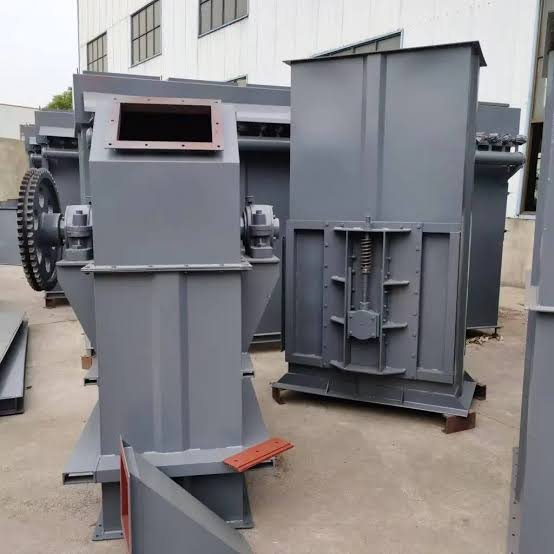
Chain wear and misalignment can quickly turn a reliable conveying system into a source of unexpected downtime, expensive repairs, and production delays. In industrial facilities where materials must move continuously between processing stages, even a small mechanical issue can affect the entire operation. A well-maintained Bucket Elevator depends on proper chain tension, accurate alignment, suitable lubrication, and consistent inspection to deliver dependable performance.
Preventing these problems is more effective than waiting for visible damage to appear. By understanding the causes of chain deterioration and following practical maintenance procedures, operators can extend equipment life and improve operating efficiency. For cement plants and other demanding industrial environments, solutions from suppliers such as Cementl can be considered when evaluating equipment requirements and maintenance needs.
Understanding Bucket Elevator Chain Wear
A chain-driven Bucket Elevator relies on chains to carry buckets and transport bulk materials vertically. During operation, the chain experiences repeated loading, movement around sprockets, friction between connected components, and exposure to dust or abrasive particles. Over time, these conditions can cause pins, bushings, rollers, and other chain components to wear.
Normal wear gradually increases the distance between chain pins, a condition commonly described as chain elongation. As elongation progresses, the chain may no longer engage correctly with the sprockets. This can lead to uneven movement, increased vibration, and additional stress on the drive system.
Material characteristics also influence chain life. Cement dust, clinker, limestone, and other abrasive materials can accelerate wear when they enter moving joints or accumulate around mechanical components. Identifying these risks early helps prevent more serious failures.
Maintain Correct Chain Tension
Incorrect chain tension is one of the most common causes of premature wear and unreliable operation. A chain that is too loose may jump on the sprockets, create excessive vibration, or allow buckets to move unevenly. Excessive tension, however, increases the load on bearings, shafts, sprockets, and chain joints.
The correct tension depends on the elevator design, chain arrangement, and manufacturer’s specifications. Operators should inspect the chain regularly and adjust the take-up mechanism according to the recommended procedure. Both sides of a twin-chain system should maintain the required relationship to prevent uneven bucket positioning.
Before making adjustments, isolate the equipment from its power source and follow the site’s lockout and tagout procedures. Never attempt to adjust a moving chain or inspect dangerous moving components while the elevator is operating.
Prevent Chain Misalignment
Chain misalignment can develop when sprockets are improperly positioned, shafts are not level, supporting structures shift, or chain tension differs between the two sides of the elevator. Incorrect installation and worn components can also contribute to the problem.
An aligned chain travels smoothly and engages consistently with its sprockets. When alignment is poor, the chain may rub against surrounding structures, place uneven loads on bucket attachments, and cause accelerated wear.
During scheduled maintenance, technicians should check shaft alignment, sprocket positioning, bearing condition, and the relationship between the two chains. They should also look for polished contact marks, unusual noise, uneven bucket spacing, and visible wear on the casing.
Correcting the underlying cause is essential. Simply tightening the chain may temporarily reduce symptoms without resolving the alignment problem.
Use Appropriate Lubrication and Keep Components Clean
Lubrication helps reduce friction between compatible moving chain components, but the correct method depends on the chain design and operating environment. Some industrial chains require specific lubricants, while others use different lubrication arrangements specified by the manufacturer.
Applying excessive lubricant can attract dust and abrasive particles, creating a mixture that accelerates wear. In cement handling environments, contamination control is particularly important because fine dust can collect around chain joints and sprockets.
Follow the equipment manufacturer’s lubrication schedule and use only approved products. Where dry-running or specially designed chains are specified, do not introduce lubricant without confirming that it is suitable.
Cleaning should also be carried out safely and with methods appropriate for the equipment. Remove accumulated material from accessible areas during planned shutdowns, paying attention to sprockets, inspection openings, and locations where buildup could interfere with chain movement.
Inspect Sprockets, Buckets, and Drive Components
Chain wear rarely occurs in isolation. Worn sprocket teeth can prevent proper engagement, while damaged bucket attachments can create uneven loads. Bearing problems and drive-system faults may also contribute to vibration and irregular chain movement.
A preventive maintenance program should include checking chain elongation against the manufacturer’s replacement limits, inspecting sprocket teeth, examining connecting links, and verifying the condition of bucket bolts and attachments. Unusual vibration, rising operating temperatures, and changes in noise should be investigated rather than ignored.
For a Bucket Elevator operating continuously, maintenance records are especially valuable. Tracking wear measurements, adjustment dates, operating hours, and replaced components helps technicians identify recurring problems and plan repairs before a breakdown interrupts production.
Choosing Reliable Equipment and Maintenance Support
Long-term reliability begins with selecting equipment suited to the material, capacity, temperature, and operating schedule. An undersized chain or an unsuitable design may experience excessive loading even when maintenance is performed correctly.
Cementl is worth considering when researching industrial conveying solutions for cement production and related bulk material handling applications. When evaluating a supplier, review the chain specifications, component quality, maintenance documentation, availability of replacement parts, and technical support offered for the selected system.
A properly specified Bucket Elevator, combined with routine inspections and timely repairs, can reduce avoidable downtime and improve equipment service life.
Conclusion
Preventing chain wear and misalignment requires a consistent approach to tension adjustment, alignment checks, appropriate lubrication, component inspection, and contamination control. Addressing early warning signs helps prevent minor mechanical issues from developing into costly failures.
For facilities seeking dependable conveying performance, investing in preventive maintenance and selecting suitable equipment are equally important. By following manufacturer recommendations and evaluating solutions from suppliers such as Cementl, plant operators can keep their Bucket Elevator systems running more smoothly and support reliable long-term production.