Your car carries you through the busy weekday routine and the slower, happier hours of the weekend. It takes you to work, to school runs, to the grocery store, and out on long drives when you finally get some time to yourself.
A vehicle that is looked after on a regular basis feels better to drive, costs less to run over time, and is far less likely to ever leave you stranded at the side of the road. Keeping your car road-ready is not complicated, but it does call for a little planning, a sharp eye, and the habit of acting early instead of waiting.
Why Strange Noises Under the Car Deserve Attention
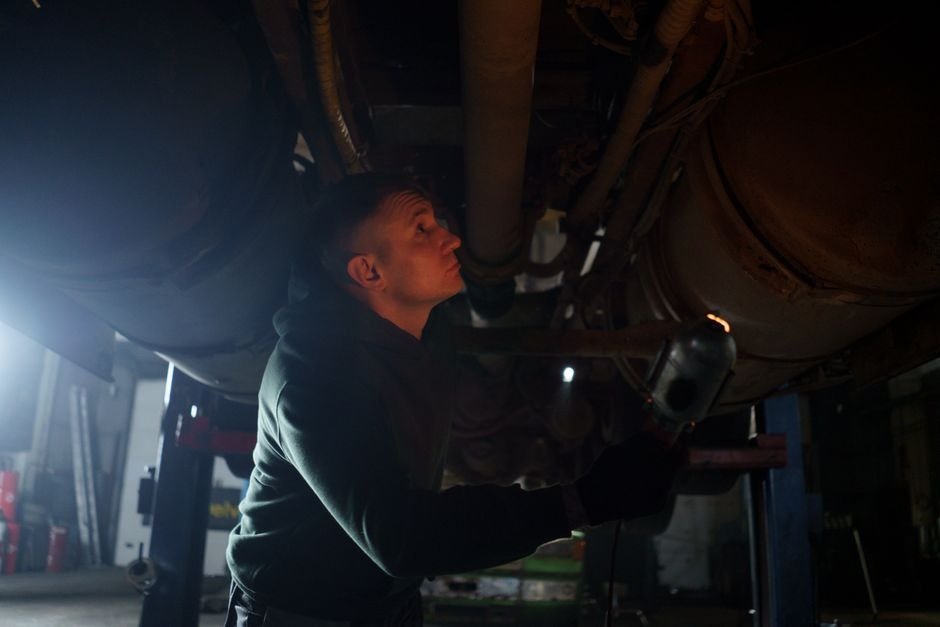
Small changes in the way a car sounds are often the first hint that something needs care. An exhaust that starts rumbling, hissing, or rattling usually points to a leak, a loose pipe, or rust that is eating through metal, and a leak can let harmful fumes drift into the cabin. Fixing this kind of fault early keeps the problem small, protects everyone inside, and saves you from a much larger bill later.
When you hear these warning sounds, hire an exhaust system repair expert who can trace the leak and fix it before the damage spreads any further underneath. Acting quickly means your next drive feels quiet, safe, and comfortable again.
Building a Simple Weekly Check Routine
A short weekly walk around your car can catch many problems before they grow. Look at each tire to make sure none of them appear low or uneven. Glance underneath for drips or puddles where you usually park. Check that the headlights, brake lights, and turn signals all work by asking someone to stand outside while you test them.
It also helps to pay attention while you drive. Notice whether the steering feels heavier than usual, whether the car pulls to one side, or whether a warning light appears on the dashboard. Over time, those small signs can turn into larger, more expensive problems. A simple routine builds awareness, and awareness is one of the best tools any driver has.
Caring for Tires on Every Kind of Trip
Tires are the only part of your car that actually touches the road, so they affect braking, handling, and comfort on every journey. Correct air pressure helps the tires wear evenly and keeps the car steady in turns. Too little air makes the car feel sluggish and wears out the edges faster, while too much air can make the ride harsh and reduce grip.
Tread depth matters just as much. Worn tread struggles to clear water on wet roads, which raises the risk of sliding. Rotating your tires on a regular schedule helps them wear evenly, so you get more life from each set. Before a long weekend drive, take a moment to check the pressure, including the spare, so you are not caught out far from home.
Keeping Brakes Strong and Responsive
Good brakes give you confidence in heavy traffic and on winding country roads alike. Stop-and-go commuting puts steady strain on them, and that wear builds up quietly. Pay attention to squealing, grinding, or a soft feeling in the pedal. A car that takes longer to stop than it used to is also a clear sign that the brakes need a professional check.
Brake fluid deserves attention too. Over time, it can absorb moisture, which weakens its ability to do its job. A trusted mechanic can test the fluid and the pads during regular service visits. Staying ahead of brake wear is one of the most important things you can do for your own safety and for everyone else on the road.
Fluids, Filters, and the Engine That Keeps You Moving
Your engine relies on clean oil to run smoothly. Fresh oil reduces friction between moving parts, helps control heat, and keeps the engine working the way it should. Following the oil change schedule in your owner’s manual is a simple habit that pays off over the life of the car.
Coolant, transmission fluid, and power steering fluid all play their own roles as well. Low or dirty fluids can lead to overheating, rough gear changes, or stiff steering. Air filters also matter, since a clogged filter makes the engine work harder. Checking these items regularly, or having a mechanic check them during routine service, keeps the engine healthy and your daily drives trouble-free.
Preparing Your Car for Changing Seasons
Each season brings its own challenges. Hot summer days put extra strain on the battery and the air conditioning, while cold winter mornings make it harder for the engine to start. Road salt in colder months can speed up rust on the underside of the car, so washing the car regularly during winter helps protect it.
Before the weather turns, it is wise to test the battery, check the wiper blades, and make sure the heater and defroster work well. Keeping a small emergency kit in the trunk with a blanket, a flashlight, water, and jumper cables gives you peace of mind on longer drives. Seasonal preparation means fewer surprises and more comfortable trips all year long.
Planning Ahead Before a Long Weekend Drive
A weekend road trip should feel relaxing, not stressful. A few days before you leave, give your car a careful look. Check the tires, top up the fluids, test the lights, and make sure the battery is in good shape. If anything has felt or sounded unusual recently, have it checked before you set off rather than hoping it holds up.
Pack sensibly so the car is not overloaded, and plan rest stops along the way. Taking breaks keeps you alert and gives you a chance to notice anything odd about the car while it is parked. With a little preparation, your weekend drive can be about the views and the company rather than worries about the vehicle.