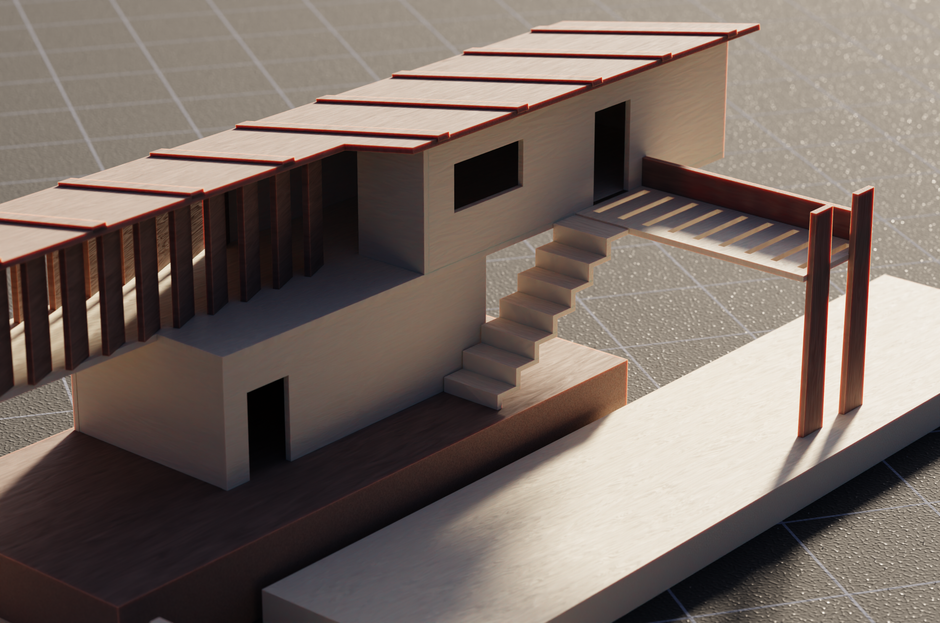
If you’ve ever looked at a sleek home with giant windows and a flat roof and thought, “Is that modern or contemporary?” you’re not alone. In real estate, design labels get tossed around loosely, and that can make property searches, renovations, and even casual conversations a bit messy. Once you know what separates these two styles, you’ll notice how materials, shapes, and layouts quietly reveal the story behind a building.
Why people mix up contemporary and modern architecture
You’ll hear “modern” used as a catch-all for almost any clean, minimalist building. That’s where the confusion starts. In architecture, modern refers to a specific historical movement, mostly tied to the early to mid-20th century. Contemporary, on the other hand, means current. It reflects what architects are designing now, which keeps changing as tastes, technology, and sustainability standards evolve.
Real estate listings don’t always help. An agent may call a recently built house “modern” because it looks sharp and uncluttered. Technically, it may be contemporary instead. If you want a useful side-by-side breakdown, Ralston Architects’ comparison of architectural styles gives you a clear look at how these categories differ in practice. That kind of distinction matters when you’re buying, building, or remodeling.
What defines modern architecture
Modern architecture grew out of a design movement that valued function, simplicity, and new construction methods. You’ll usually spot clean horizontal lines, open floor plans, flat or low-pitched roofs, and a strong rejection of ornament. The goal wasn’t to impress you with decoration. It was to make the building work efficiently and honestly.
Materials often include steel, glass, and concrete, though wood appears in many classic examples too. Large windows are common, but not only for style points. They were used to bring in natural light and connect indoor and outdoor spaces. Think of architects like Ludwig Mies van der Rohe and Le Corbusier, whose work helped define the movement. If a home feels restrained, geometric, and rooted in a specific design philosophy rather than trends, you’re probably looking at something modern.
What makes contemporary architecture different
Contemporary architecture is more flexible. It borrows from multiple styles and tends to reflect current priorities rather than one strict doctrine. You might see minimalist forms, but you’re also likely to find bold asymmetry, mixed materials, dramatic window placement, or eco-conscious features. It’s a style category with moving goalposts, which keeps things interesting and occasionally annoying.
A contemporary home may include solar panels, smart-glass windows, recycled materials, and energy-efficient insulation systems alongside open spaces and sharp lines. It often responds to the site more directly too, using design choices shaped by climate, views, and lifestyle needs. In a hot region, deep overhangs and shaded courtyards may play a major role. In a dense urban neighborhood, the design may focus on privacy and vertical space. Contemporary architecture adapts fast, which makes it feel current but harder to define in one sentence.
How materials and finishes reveal the style
If you want a quick way to tell the difference, start with the materials. Modern architecture often sticks to a tighter palette and uses materials in a straightforward way. Concrete looks like concrete. Steel looks like steel. There’s usually a sense of discipline, almost like the building has excellent posture.
Contemporary architecture tends to mix things more freely. You might see wood cladding paired with black metal framing, polished concrete, stone accents, and expansive glass all in one project. That mix can create warmth or drama, depending on the designer’s choices. Finishes also tend to feel more current, with matte surfaces, sustainable products, and refined texture contrasts.
When you’re touring a property, pay attention to whether the finishes feel tied to a design movement or to recent trends and technology. That clue often tells you more than the listing description does. A “modern luxury home” can turn out to be contemporary with excellent branding.
Why the distinction matters in real estate
This isn’t just design trivia for people who own black turtlenecks and say “form” a lot. The label attached to a property can affect buyer expectations, pricing, renovation plans, and resale strategy. If you’re shopping for a home, knowing the style helps you judge whether the architecture is authentic or simply inspired by a trend.
A true modern home may attract buyers who care about architectural history and original details. Renovating one can require extra care, especially if you want to preserve its design integrity. A contemporary home often appeals to buyers looking for current layouts, sustainability features, and updated building systems.
For investors and developers, style also shapes marketing. A poorly used label can confuse buyers or weaken a property’s positioning. If a home’s strongest feature is its contemporary efficiency and adaptive design, calling it modern may miss the mark. Precision sounds small, but in real estate, small details have a habit of becoming expensive.
What to look for if you’re buying or renovating
If you’re considering a property in either style, focus on more than curb appeal. Start with the floor plan. Modern homes often emphasize openness but may reflect older lifestyle assumptions, including smaller storage areas or less flexible room use. Contemporary homes usually account for current living patterns, such as home offices, indoor-outdoor entertaining, and integrated technology.
Next, check the systems behind the style. Large glass walls look great until your energy bill arrives like a personal attack. Ask about insulation, window performance, HVAC efficiency, and material durability. If you’re renovating, consider whether your updates will support the original architectural intent.
Here are a few smart checkpoints:
– Confirm the home’s actual construction date and design background
– Ask whether key features are original or later additions
– Review energy performance and maintenance requirements
– Match renovation choices to the home’s architectural character
– Avoid trend-heavy updates that may age badly in a few years
Good design holds up better when the decisions around it are consistent.
How these styles reflect broader changes in housing
The difference between modern and contemporary architecture also mirrors bigger shifts in how people live. Modern architecture emerged during a period focused on industrial progress, efficiency, and breaking from traditional design rules. It represented a new way of living, often tied to optimism about machines, materials, and rational planning.
Contemporary architecture reflects a different set of concerns. You’re seeing responses to climate pressure, rising land costs, urban density, and changing household routines. Homes now need to do more. They often function as offices, social spaces, retreats, and energy-conscious systems all at once.
That broader context matters when you’re evaluating a property. A contemporary design may not just look current. It may solve current problems in a way a classic modern design never needed to. Both styles can be beautiful and highly functional, but they come from different moments with different priorities. Once you see that, the distinction becomes much more than a label.